
Complacency to conservatism
ADVERTISEMENT
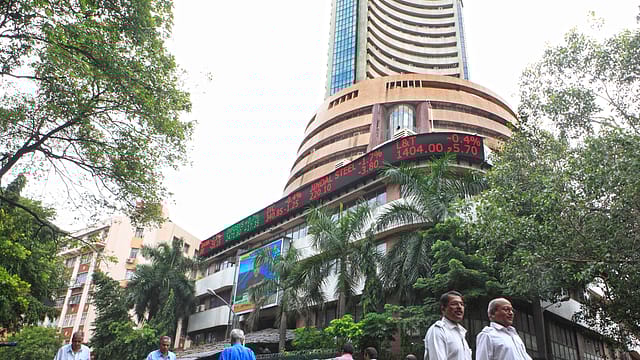
Indian equity markets shrugged off the Reserve Bank of India’s (RBI) decision to keep rates unchanged on Wednesday and fell less than the previous day as markets had already ruled out any policy change by the central bank.
The S&P BSE Sensex closed at 34,082.71 points, down 113.23 points down from the previous day’s close when markets were on tenterhooks because of a global rout and concerns about the long term capital gains tax. A massive sell-off on Tuesday led to what many described as a bloodbath even though foreign portfolio investors were net sellers in equity to the tune of only Rs 1,083.43 crore. The BSE Sensex was down 1,274.35 points at one point on Tuesday.
Also, the MidCap and the SmallCap index gained 69.65 points (+0.43%) and 339.56 points (+1.95%) each, which highlights the fact that the bulls have still not given the way to bears.
Radhika Rao, India economist, DBS Bank, says the central bank’s stance was largely along expected lines, reflected in the relatively muted response in bond and equity markets. Rao says that there is only a slight shift towards a cautious bias with headline inflation seen above target in FY2019.
“They remain optimistic on growth, expecting FY2019 to head back towards 7%,” says Rao. “The guidance remains data-dependent, with a shift to tighten rates requiring further evidence of a built-up in inflationary pressure.”
Conservatism is replacing complacency, says a research head of a home-grown broking outfit based in Mumbai. At a time when the long term capital gains tax is still a concern for markets, the research head feels that 2018 will be a roller coaster year “which would probably separate brilliance from amateurs”. He believes the final returns for 2018 will depend on any decision to advance general elections and the results of the elections.

January 2026
Netflix, which has been in India for a decade, has successfully struck a balance between high-class premium content and pricing that attracts a range of customers. Find out how the U.S. streaming giant evolved in India, plus an exclusive interview with CEO Ted Sarandos. Also read about the Best Investments for 2026, and how rising growth and easing inflation will come in handy for finance minister Nirmala Sitharaman as she prepares Budget 2026.
He ruled out the possibility of the RBI’s policy having a big impact under current market conditions and said the interest rate cycle had already reached a point where there was no more room for being accommodative. “Further, when the U.S. Fed is on a hiking cycle, emerging market central banks will have to readjust their strategy,” he adds.
Some analysts were surprised the central bank hadn’t been more hawkish given the upward revision in the inflation forecast for the fourth quarter of FY2018 and concerns about growing inflation risks amid the fiscal slippage. “The tone of the policy was not as hawkish as expected, given the comment that the nascent recovery needs to be carefully nurtured,” says Aditi Nayar, principal economist with rating agency ICRA says.