RBI absorbs ₹2.90 lakh cr via two VRRR auctions amid huge surplus liquidity
/ 1 min read
The central bank received a tepid response in the second auction with bids worth ₹40,302 crore for a notified amount of ₹1 lakh crore, which it accepted fully.
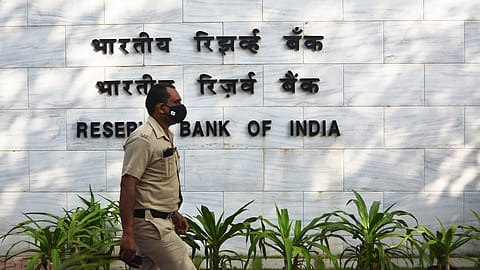
The RBI, since last month, has been conducting various VRRR auctions in order to absorb surplus liquidity from the banking system and align the overnight money market rates to the repo rate. | Credits: Fortune India Archive
The Reserve Bank of India (RBI) on Wednesday absorbed ₹2.90 lakh crore through two variable rate reverse repo (VRRR) auctions from the banking system amid a huge surplus.
In the first auction, the central bank received bids worth ₹3,17,088 crore for a notified amount of ₹2.50 lakh crore. However, it accepted only ₹2,50,025 crore at a cut-off and weighted average rate of 5.24 per cent.
The central bank received a tepid response in the second auction with bids worth ₹40,302 crore for a notified amount of ₹1 lakh crore, which it accepted fully.
The RBI, since last month, has been conducting various VRRR auctions in order to absorb surplus liquidity from the banking system and align the overnight money market rates to the repo rate.
Currently, liquidity in the banking system is estimated to be in surplus of around ₹9.85 lakh crore as on September 15.
Apart from VRRR, last week, the central bank announced Open Market Operation (OMO) sales of government securities for a notified amount of ₹1 lakh crore in three tranches, with the auction for the first tranche of ₹50,000 crore to be held on September 17.
The auction for two remaining tranches of ₹25,000 crore each will be held on September 21 and September 28, RBI said.
The banking system was flushed with liquidity due to heavy mobilisation of FCNR (B) deposits by banks, as the mobilisation brought foreign currency into the system, while subsequent swaps with the RBI provided rupee liquidity to banks.
Besides FCNR(B) inflows, month-end government expenditure, including payments toward salaries and pensions, also added to liquidity in the banking system.
Follow Fortune India
NEXT STORY