WPI inflation rises to 11.39% in Sept as prices of fuel, manufactured goods surge
/ 2 min read
Inflation in the WPI food index rose to 8.66% in September from 7.05% in August.
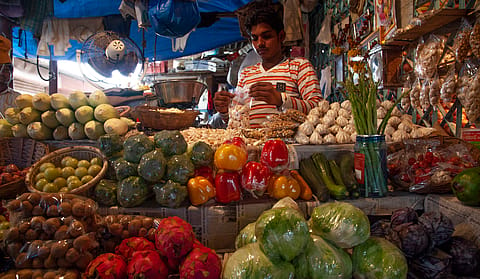
Wholesale inflation has been on an upward trajectory since the beginning of the current fiscal year, amid the West Asia conflict and disruptions to shipping through the Strait of Hormuz. | Credits: Fortune India
India’s wholesale price index (WPI)-based inflation accelerated to 11.39% in September 2026 from 9.92% in August, driven by rising prices of food articles, manufactured products, and fuel and power, according to government data released on Wednesday.
Inflation in the WPI food index rose to 8.66% in September from 7.05% in August. Inflation in manufactured products climbed to a series high of 9.76%, compared with 8.37% in the previous month. In the fuel and power category, inflation increased to 25.85% from 22.93% in August.
The All India WPI stood at 112.5 in September, up from 110.8 in August. Inflation in primary articles also accelerated to 8.67% from 7.76% during the period.
West Asia conflict pushes up fuel, commodity prices
The Commerce and Industry Ministry identified mineral oils, food articles, crude petroleum and natural gas, coal and lignite, basic metals, chemicals and chemical products, textiles, rubber and plastic products, and electrical equipment among the key drivers of wholesale inflation in September.
Wholesale inflation has been on an upward trajectory since the beginning of the current fiscal year, amid the West Asia conflict and disruptions to shipping through the Strait of Hormuz. The conflict has pushed up global crude oil and fertiliser costs, with spillover effects on food and other commodity prices.
India's dependence on imported crude oil has heightened its exposure to the surge in global energy prices. Higher input costs can also feed into the prices of manufactured goods, adding to inflationary pressures across the economy.
Retail inflation also hits 23-month high
The acceleration in wholesale inflation follows a sharp rise in retail prices. Consumer price index (CPI)-based inflation climbed to a 23-month high of 5.54% in September, compared with 4.83% in August, driven by a steep increase in food prices.
The Reserve Bank of India's Monetary Policy Committee last week raised the benchmark policy rate by 25 basis points to 5.50%, as inflationary pressures and the evolving economic outlook remained in focus. The widening price pressures across wholesale and retail markets could complicate the inflation outlook, particularly if elevated energy and commodity costs persist. While WPI tracks price movements at the wholesale level, sustained increases in input costs can eventually feed through to consumer prices.
Follow Fortune India
NEXT STORY