Real estate sector braces for another RBI rate hike in Dec: Will housing demand take a hit?
/ 3 min read
With inflationary pressures raising expectations of further monetary tightening, real estate developers say borrowing costs, liquidity and policy support will shape housing demand and investment in FY28
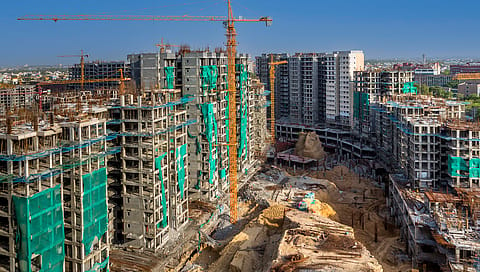
The RBI MPC is scheduled to announce its policy decision on December 4 | Credits: Narendra Bisht
The Reserve Bank of India’s (RBI) Monetary Policy Committee (MPC) is scheduled to meet from December 2 to 4, with another repo rate hike on the cards, raising concerns about its potential impact on the real estate sector. While higher borrowing costs could affect homebuyer affordability and developers’ financing expenses, industry experts believe housing demand will remain supported by income growth, urbanisation and infrastructure development.
The repo rate currently stands at 5.50%, following a 25-basis-point increase on October 7, 2026, the first hike since February 2023. The RBI had also shifted its policy stance to calibrated tightening.
According to a Reuters poll, 56 of 61 economists expect the RBI to raise the repo rate by 25 basis points to 5.75% on December 4, ahead of the Budget 2027. Two economists expect a 50-basis-point increase, while three anticipate no change. Several economists also expect another hike in February 2027.
Recent hike in CPI inflation has added to the case for monetary tightening. Retail inflation rose to 6.09% in October, breaching the RBI’s 2-6% tolerance band, amid energy-price pressures and uneven monsoon rainfall.
S&P Global Ratings expects a 25-basis-point hike in December, followed by another increase in early 2027. Goldman Sachs has projected cumulative rate hikes of 75 basis points, taking the repo rate to 6.25% by the second quarter of calendar year 2027. It expects headline consumer price inflation to average 5.7% in CY27, above consensus estimates.
SBI Mutual Fund has also flagged the possibility of further tightening, citing food-price risks, delayed price increases by consumer-facing companies and the possibility of higher fuel prices.
Realty sector weighs borrowing costs and demand
For developers, the potential impact of higher rates extends beyond home loans to the cost and availability of project financing.
Pradeep Aggarwal, Founder and Chairman of Signature Global (India), said inflation above the RBI’s comfort zone leaves limited room for rate cuts in the near term. However, he believes housing demand will continue to be supported by income growth and the need for homeownership.
“Higher borrowing costs do weigh on homebuyers, but housing demand rests largely on income growth and the need for a home, and both continue to support it,” Aggarwal said. He added that a gradual and well-communicated policy approach, along with adequate liquidity for banks and housing finance companies, would help maintain credit flow to developers and homebuyers.
Aman Sarin, Director and CEO of Anant Raj, said liquidity should be a key priority for the RBI as it approaches the policy review. He said the smooth availability of funds was as important to the real estate sector as the cost of borrowing. Any gradual reduction in interest rates, if economic conditions permit, would further support affordability and demand.
He also called for Budget measures such as higher tax benefits on home-loan interest and continued support for affordable housing to sustain investment and growth in FY28. Notably, this RBI policy meeting comes ahead of the Union Budget 2027, which is slated to be tabled in the Parliament on February 1, 2027.
{{#most-powerful-women-snapshot-individual.slug}} {{/most-powerful-women-snapshot-individual.slug}} {{^most-powerful-women-snapshot-individual.slug}} {{/most-powerful-women-snapshot-individual.slug}} {{#showRanking}} {{current-rank}} {{/showRanking}} {{#photo.0.url}}
{{name}}
Umang Jindal, CEO of Homeland Group, said the rate hike could influence homebuyer decisions, particularly among first-time buyers and budget-conscious households. However, he expects economic growth, rising employment and household incomes to support demand across established and emerging markets.
Yash Miglani, Managing Director of Migsun Group, said higher borrowing costs could moderate financing activity and affect affordability, but urbanisation, infrastructure expansion and demand for quality residential and commercial spaces would support the sector’s fundamentals.
Kapil Chugh, VP at RISE Infraventures, said higher rates could influence financing costs and capital deployment, particularly for developers undertaking large premium projects. However, he expects demand for luxury housing to remain supported by affluent buyers seeking quality developments and long-term investment value.
Follow Fortune India
NEXT STORY