Tesla, SpaceX appoint five directors to negotiate proposed $3.5 trillion merger: Report
/ 2 min read
The two companies have set up separate special committees comprising directors considered financially independent of the proposed transaction.
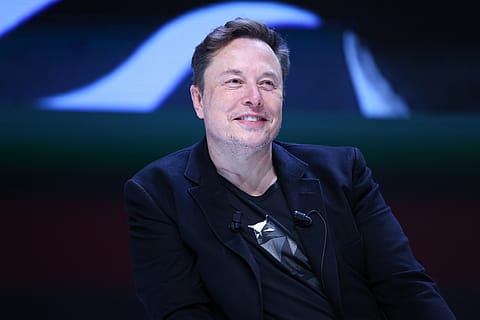
Tesla and SpaceX CEO Elon Musk | Credits: Getty Images
Tesla and SpaceX have appointed five directors to oversee negotiations for a proposed $3.5 trillion merger, as Elon Musk moves closer to bringing his electric vehicle, aerospace, artificial intelligence and robotics businesses under a single corporate structure, according to a report by the Financial Times.
The two companies have set up separate special committees comprising directors considered financially independent of the proposed transaction. The committees will negotiate the terms of an all-stock merger and work towards completing the deal before the end of the year, the FT reported, citing people familiar with the discussions.
The directors appointed to the committees include Roelof Botha and Randy Glein from SpaceX, and Robyn Denholm, Kathleen Wilson-Thompson and Jack Hartung from Tesla.
The five directors have longstanding associations with Musk and will be responsible for negotiating a transaction that could become the largest corporate merger on record. Their task also involves addressing concerns around shareholder interests, corporate governance and potential legal challenges.
The committees have appointed financial advisers to help determine the structure and valuation of the proposed combination. Morgan Stanley and Goldman Sachs are advising SpaceX, while Evercore has been appointed by Tesla. The advisers are developing financial models to establish the basis for negotiations, including an appropriate exchange ratio for shareholders of the two companies.
The discussions are also examining areas where the businesses overlap, including artificial intelligence models, chip design and data centres, alongside potential synergies in rockets, robotics and solar energy.
However, the negotiations are not yet close to a conclusion. One person familiar with the process told the FT that there was “more friction than people assume” and that the committees were not close to reaching an agreement.
Shareholder approval and regulatory hurdles
The proposed merger presents a complicated corporate governance situation because Musk is the chief executive of both companies. Although the committees can consult senior executives for information, Musk cannot formally participate in active negotiations under the applicable corporate governance rules in Texas, where both companies are incorporated.
Musk has publicly expressed support for the combination, describing it as a “good idea”. However, the transaction will require shareholder approval, particularly at Tesla, where Musk controls approximately 20% of the voting power. At SpaceX, he controls about 84% of the votes through super-voting shares.
The merger is expected to require a separate extraordinary shareholder meeting at Tesla. More than 50% of all possible votes would need to support the transaction, meaning abstentions and uncast ballots would effectively count against it.
{{#most-powerful-women-snapshot-individual.slug}} {{/most-powerful-women-snapshot-individual.slug}} {{^most-powerful-women-snapshot-individual.slug}} {{/most-powerful-women-snapshot-individual.slug}} {{#showRanking}} {{current-rank}} {{/showRanking}} {{#photo.0.url}}
{{name}}
The proposed combination could also face regulatory scrutiny in the US, China, Europe and the UK. SpaceX’s rocket technology and Starlink satellite business have national security implications for the US, while Tesla’s manufacturing operations and self-driving technology in China could complicate regulatory approvals.
The companies will also need to address concerns around board independence and potential shareholder litigation. Tesla’s previous transactions involving Musk, including its 2016 acquisition of SolarCity and his compensation package, have faced prolonged legal challenges.
Follow Fortune India
NEXT STORY