
Hyundai Motor India targets 11.4 lakh-unit capacity by 2030, localisation of 92% by 2032
ADVERTISEMENT
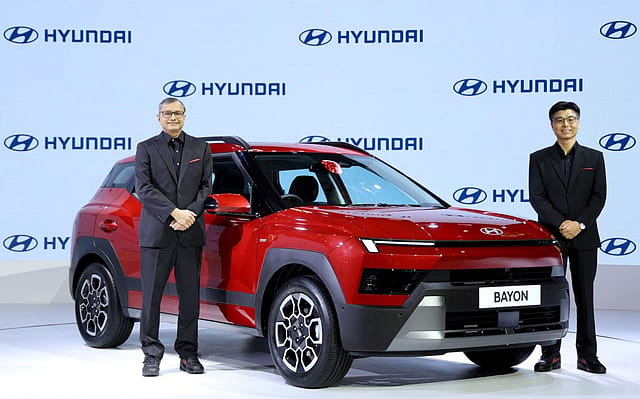
Hyundai Motor India Ltd (HMIL) plans to increase its annual production capacity to 11.4 lakh vehicles by 2030 and raise component localisation to 92% by 2032, as the automaker looks to strengthen its manufacturing base and tap growth opportunities in the domestic passenger vehicle market.
Speaking at the launch of the Bayon, Hyundai Motor India Managing Director and CEO Tarun Garg said the company currently has an installed annual production capacity of 9.94 lakh units. Its two manufacturing plants in Chennai account for 8.24 lakh units of annual capacity and remain central to its domestic sales and export operations.
Hyundai has sold nearly 14 million vehicles from India since commencing operations in 1998, including 10 million units in the domestic market and four million through exports. The company had started its Indian operations with sales of 8,500 vehicles in its first year.
Hyundai targets 92% localisation by 2032
The automaker currently sources approximately 83% of its components locally at the Tier-1 supplier level, covering more than 1,200 localised components through an ecosystem of around 200 Indian supplier partners.
“We aim to increase localization to 92% by 2032,” Garg said, outlining the company’s plans to deepen domestic sourcing. Higher localisation could strengthen its domestic supplier network as production capacity expands, although the company did not disclose the investment required to achieve the target.
The expansion comes as India’s passenger vehicle market has grown from 3.7 lakh units in 1998 to an estimated 52.5 lakh units in 2026, according to Garg.
Bayon launch, electric SUV to widen portfolio
Hyundai launched the Bayon at a starting ex-showroom price of ₹9.99 lakh, positioning it between the sub-four-metre Venue and the mid-size Creta in its portfolio. The company is adding the model as it seeks to strengthen its presence in the SUV market.
The Bayon is one of two new nameplates planned for the current financial year. The second is a mass-market compact electric SUV, which Hyundai plans to launch later in FY27.
Garg said the company would expand across SUV segments while offering a broader mix of CNG, electric and hybrid powertrains. He also identified artificial intelligence and software as increasingly important to the vehicle ownership experience.
SUVs, CNG and EVs drive market growth
Garg said SUVs had grown 29% year-on-year, CNG vehicles 40% and electric vehicles 77%, reflecting changing consumer preferences and demand for alternative powertrains.
The mid-size SUV segment has expanded from 1.1 lakh units in 2015 to 8.7 lakh units in 2026, registering a compound annual growth rate of 21%, compared with around 6% for the overall passenger vehicle market, he said.
Hyundai’s capacity expansion, localisation push and planned launches are aimed at positioning the company to capture this growth while broadening its product and powertrain offerings.