
Hormuz shipping traffic remains subdued despite diplomatic push; security incidents persist: S&P Global
ADVERTISEMENT
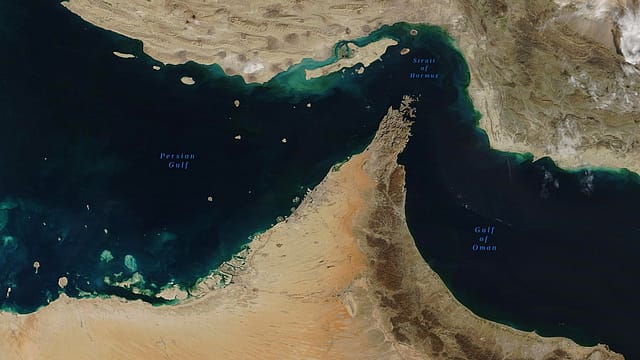
Shipping activity through the Strait of Hormuz remained subdued over the weekend despite renewed diplomatic efforts to ease tensions between the US and Iran while security incidents in the region continued to weigh on vessel movements, according to an S&P Global report.
The report said 17 vessels transited the Strait of Hormuz on August 2, following 15 crossings on August 1 and 17 on July 31. Traffic through the Bab el-Mandeb Strait also weakened, with fewer than 40 observable vessel transits recorded daily over the three-day period.
July traffic declines
A total of 848 vessel transits were recorded through the Strait of Hormuz in July, averaging 27 crossings a day, down from 917 in June, which had marked the highest monthly total since the conflict began.
Shipping activity weakened sharply during the second half of July, with average daily crossings falling to 17 after the collapse of the memorandum of understanding underpinning the peace agreement and renewed retaliatory attacks by the US and Iran.
Inbound traffic accounted for 48% of total crossings in July, compared with 46% in June, while Iran-linked vessels represented 53% of total traffic, up from an average of 42% a month earlier.
Despite US President Donald Trump's assertion that a peace deal was "imminent" and reports that Oman and Iran had agreed to jointly manage traffic through the strait, vessel movements remained depressed.
Security concerns weigh on shipping
Security risks in the region remained elevated, with the UK Maritime Trade Operations reporting three incidents in recent days.
One incident involved the LNG carrier GASLOG SHANGHAI, which was struck by an unidentified projectile 11 nautical miles off Lima, Oman, damaging its engine room while the vessel was outbound after loading cargo at Ras Laffan on July 28.
Another incident occurred 21 nautical miles northeast of Khasab, Oman, where the master of a vessel reported a large splash and explosion nearby on July 31. The latest incident was reported on August 2, when the master of a tanker heard an explosion close to the vessel about 20 nautical miles northeast of Khasab.
Tanker movements
Among notable tanker movements, the VLCC KIKU, which had previously been attacked off Oman on July 27, remained active in the region. The vessel loaded a split cargo from Qatar and is currently anchored off Fujairah, while its outbound transit through the Strait of Hormuz on August 1 was not visible.
Meanwhile, the Hong Kong-flagged VLCC NOBLE, carrying 2 million barrels of Basrah Heavy crude, exited through Iranian territorial waters on July 31 with its transponder switched on. The Suezmax tanker LUCIA A, carrying 1 million barrels of Basrah Medium crude, followed on August 1. The VLCC NISSOS HERACLEA entered the Gulf on July 31 for loading at Iraq's Basrah terminal.
According to Commodities at Sea data, 10 crude tankers carrying Iraqi oil exited the Strait of Hormuz during July, transporting an average of 648,000 barrels per day, down 27% from 883,000 barrels per day in June.
Separately, the LR2 tanker SINBAD entered the Middle East Gulf on August 1 for the first time in a year and is expected to load refined petroleum products at Jubail.
US naval blockade
Traffic through the US naval blockade remained broadly stable, with an average of 41 compliant vessels crossing daily during the week ended August 2, compared with 46 vessels per day in the previous week.
Non-compliant traffic remained limited. Only around two sanctioned or Iran-linked vessels per day crossed the blockade during the week, unchanged from the previous week.
Over the past three days, four oil and LPG tankers breached the blockade, including OFAC-sanctioned crude tanker RIESCO, which entered on August 1, and false-flagged tankers MURLIKISHAN and BERBERA STAR 7, which crossed on July 31. Small gas carrier SIFRA, operating under a false Botswana flag, also successfully crossed the blockade on July 30.
Traffic through the Bab el-Mandeb Strait totalled 1,298 vessel transits in July, averaging 42 crossings per day, broadly unchanged from 43 per day in June.
However, activity weakened at the start of August, with 38 transits recorded on July 31, 30 on August 1 and 32 on August 2. Northbound traffic dropped to just 10 vessels on August 2, the lowest daily level since May 26. S&P Global said the decline could indicate weaker shipping activity or a rise in vessels switching off their Automatic Identification System (AIS) transponders amid heightened security concerns.