
US-Russia oil deal: Trump turns to Putin for diesel as US battles high energy prices
ADVERTISEMENT
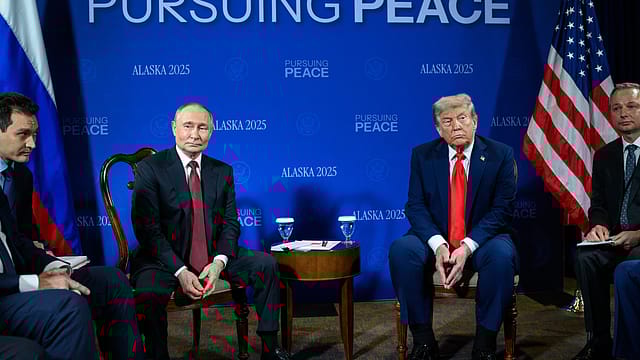
US President Donald Trump on Friday announced an agreement with Russia to supply nearly 5 million tonnes of diesel fuel to global markets, as his administration seeks to ease energy prices ahead of the crucial US midterm elections.
The announcement followed a phone conversation between Trump and Russian President Vladimir Putin. Soon afterwards, the US Treasury issued a temporary general licence permitting the purchase of Russian diesel until April 7, 2027.
The move comes amid concerns over inflation and affordability in the US, which have emerged as key issues ahead of the midterm elections. Trump’s Republican Party faces political pressure over the rising cost of living, making lower energy prices a priority for the administration.
Russia to supply diesel in phases
In a post on Truth Social, Trump said Russia would begin supplying more than 300,000 tonnes of diesel immediately, followed by another 500,000 tonnes in November and 1 million tonnes thereafter. Russia would subsequently deliver an additional 3 million tonnes, subject to the condition of its diesel refineries.
“I have just concluded a highly successful discussion with President Putin of Russia, wherein it was agreed that Russia will immediately supply over 300,000 Tons of Diesel Fuel to the American and Global Marketplace, another 500,000 Tons during the month of November, and 1,000,000 Tons immediately thereafter,” Trump said.
He added that Russia would deliver a further 3 million tonnes “within a short period of time”, depending on the condition of its refineries. Trump said the arrangement would quickly bring down diesel prices for consumers in the US and across global markets. However, the actual impact on prices will depend on the timing and volume of deliveries, as well as prevailing supply and demand conditions.
Sanctions law raises questions over deal
The announcement has also raised questions about how the arrangement fits into the Lindsey O. Graham Sanctioning Russia and Iran Act of 2026, which Trump signed into law last month. The legislation was designed to curb Russia’s energy export revenues by authorising tariffs of up to 100% on goods imported from the five largest purchasers of Russian oil and gas during the 12 months preceding the law’s enactment.
The temporary licence allowing purchases of Russian diesel could complicate the implementation of the broader sanctions framework. The precise implications of the agreement for the law remain unclear.
Zelensky warns against easing sanctions
Ukrainian President Volodymyr Zelensky criticised any potential relaxation of sanctions against Moscow without a firm commitment to de-escalation.
“Any easing of sanctions against Russia without a clear and lasting de-escalation agreement with Russia is an obvious weakness. It plays into Russia’s hands – allowing it to kill more, wage war for longer, have even less respect for America, and inflict even greater losses and damage on the world,” Zelensky said in a post on X.
The development comes amid tensions between Kyiv and Washington over Ukrainian military strikes on Russian oil refineries in recent months. The attacks have disrupted Russian refining capacity and raised concerns in the US that further damage to energy infrastructure could constrain supplies and push global prices higher.
The proposed diesel arrangement highlights the challenge facing Washington as it seeks to balance efforts to contain domestic energy costs with its sanctions policy towards Moscow and its support for Ukraine.