
Economic Survey 2026: Infrastructure push deepens as public capex, reforms, and private capital drive growth
ADVERTISEMENT
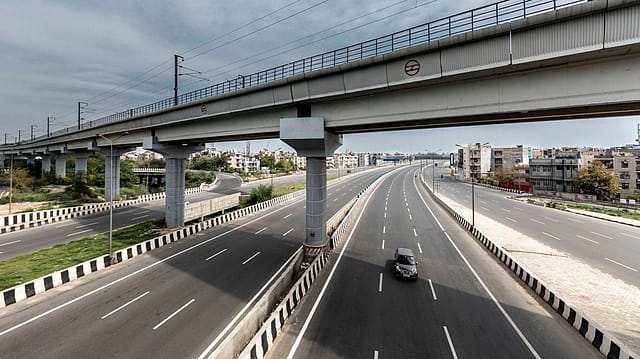
Infrastructure continues to anchor India’s growth strategy, with sustained public capital expenditure and structural reforms reinforcing its role as a key economic multiplier, the Economic Survey 2025–26 has said. Public investment in roads, railways, ports, power, aviation, and digital infrastructure has strengthened connectivity, expanded capacity, and improved logistics efficiency, generating strong spillover effects for productivity and growth, according to the Survey.
The Economic Survey highlighted that the Centre’s capital expenditure rose by 92% between FY19 and FY22, increasing from ₹3.07 lakh crore to ₹5.92 lakh crore. This momentum has been sustained, with capital outlay budgeted to rise by nearly 89% to ₹11.21 lakh crore in FY26.
High multiplier effects reinforce the investment case
The Survey underscored the strong multiplier impact of infrastructure spending, estimating that every rupee spent by the government generates GDP gains of ₹2.5–3.5 over the medium term. The scale and consistency of public investment have positioned infrastructure as a cornerstone of India’s growth engine, supporting demand, employment, and competitiveness, it said.
Shift towards integrated and multimodal planning
Beyond rapid asset creation, the Economic Survey noted a structural shift towards integrated, system-level infrastructure development. The PM GatiShakti National Master Plan has institutionalised multimodal, GIS-enabled planning, improving coordination across ministries and reducing execution risks. The launch of PM GatiShakti Public has further democratised access to geospatial data, enabling private developers and researchers to leverage advanced analytics for planning and investment decisions.
Logistics reforms and DPI emerge as force multipliers
Complementary initiatives under the National Logistics Policy, including the Unified Logistics Interface Platform (ULIP) and the LEADS framework, are creating a more predictable and digitised logistics ecosystem, directly improving manufacturing competitiveness, the Survey observed.
The Economic Survey also highlighted the expanding role of digital public infrastructure, citing BharatNet, 5G networks and platforms such as UPI, Aadhaar, DigiYatra and FASTag as essential digital backbones enabling efficient and inclusive infrastructure services.
Financing reforms crowd in private capital, but risks persist
On financing, the Survey pointed to a gradual shift from bank-led lending towards diversified capital-market and non-bank channels. Credit from NBFCs to the commercial sector grew at a CAGR of 43.3% between FY20 and FY25, while reforms such as the RBI’s Project Finance Directions 2025 and Sebi’s measures for REITs and InvITs have strengthened long-term funding avenues.
However, the Economic Survey cautioned that the effectiveness of rising public capex increasingly depends on project quality, highlighting risks from weak project preparation, time overruns and dispute resolution delays. Strengthening institutional capacity across the project lifecycle will be critical to sustaining momentum and aligning infrastructure with India’s long-term vision of Viksit Bharat @2047, it said.