
Global Fintech Fest: PM Modi pitches for fintech consumer protection index
ADVERTISEMENT
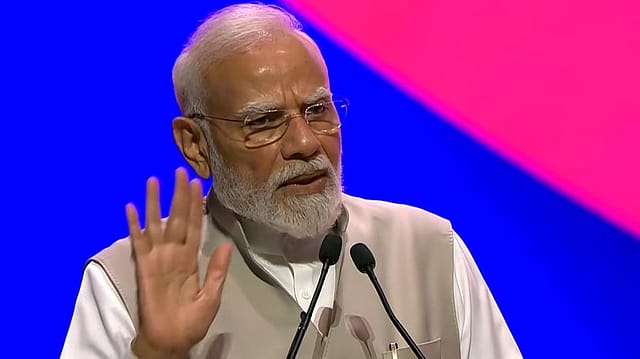
Prime Minister Narendra Modi on Tuesday called on India’s fintech industry to broaden its focus beyond digital payments and work towards building a more secure, inclusive and consumer-centric financial ecosystem, as he proposed the creation of a “Fintech Consumer Protection Index” to transparently rate companies.
Addressing the Global Fintech Fest (GFF) 2026 in Mumbai, Modi said the rapid emergence of technologies such as agentic artificial intelligence (AI), tokenisation and quantum computing is opening up new possibilities for the financial sector. The bigger challenge, however, is to translate these technological advances into real-world impact.
Calls for fintech beyond payments
Modi said fintech companies should increasingly focus on non-payment financial services, including expanding access to credit, savings, insurance and pension products.
"The first quarter of the 21st century has just ended. We are now in 2026. The second quarter has brought even more new possibilities for us. Agentic AI, tokenization, quantum and such technologies are opening up new possibilities in the financial sector. The challenge before us now is how to turn these possibilities into real impact,” he said.
Outlines 4 points agenda for next phase of fintech
He urged fintech companies to come together and set measurable tasks for the industry. As part of this agenda, the Prime Minister outlined four priorities for the fintech sector. The first is to make cybersecurity in India “top-notch”.
The second is for the industry to develop its own ethical data protection standards. Third, he called for a strong fintech regulator-industry innovation ecosystem to encourage innovation while maintaining regulatory oversight.
His fourth proposal was a Fintech Consumer Protection Index, which would allow companies to be rated transparently on how effectively they protect and serve consumers.
While transaction volumes, investor confidence and technological capabilities are already closely tracked across the fintech ecosystem, the proposed index could bring greater focus on consumer trust, satisfaction and protection. It could also provide a framework to assess the quality and effectiveness of grievance redressal, including how quickly and fairly customer complaints are resolved.
Modi also called for fintech to play a larger role in expanding access to financial services beyond payments. The industry, he said, should focus on increasing the use of fintech solutions for credit transactions, savings, insurance and pensions.
The push comes as India’s digital financial ecosystem has expanded rapidly, with fintech firms playing a central role in payments and increasingly moving into lending, wealth management, insurance and other financial services.
The proposed consumer protection framework could therefore become increasingly important as fintech firms move deeper into consumers’ financial lives. A transparent assessment mechanism could help improve accountability while strengthening trust in digital financial services.