
Govt clears RBI proposal to issue 1 billion ₹10, ₹20 polymer notes each for field trials
ADVERTISEMENT
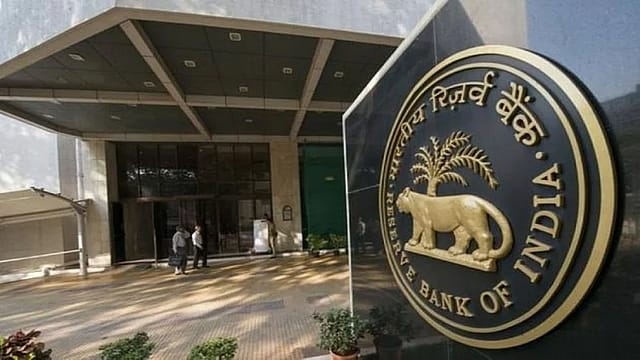
The Centre has approved the Reserve Bank of India's (RBI) proposal to introduce one billion polymer banknotes each in the ₹10 and ₹20 denominations for field trials, Minister of State for Finance Pankaj Chaudhary informed the Lok Sabha on Monday.
In a written reply to Parliament, Chaudhary said the RBI had submitted the proposal under Section 25 of the Reserve Bank of India Act, 1934, following the recommendation of its Central Board. The proposal seeks approval for the issuance of one billion polymer notes each in the ₹10 and ₹20 denominations for pilot circulation, followed by their regular issuance if the field trials are successful. "The proposal has been approved by the government," the minister said.
The move marks the first major step towards testing polymer-based currency in India. Polymer banknotes, which are made from a special plastic substrate instead of paper, are widely used in several countries, including Australia, Canada, and the UK, due to their longer lifespan and enhanced durability.
According to the RBI, international studies have shown that polymer banknotes last significantly longer than conventional paper currency. Their higher resistance to wear and tear makes them particularly suitable for economies such as India, where cash remains an important mode of transaction despite the rapid growth of digital payments.
Responding to concerns over whether polymer notes could affect the adoption of digital payments, Chaudhary said the RBI considers the initiative to be in a preliminary phase. Any assessment of its impact on digital transactions, if at all, can only be made after the notes are introduced for regular circulation following successful field trials.
The minister also clarified that polymer banknotes are not intended to replace paper currency. Instead, the RBI plans to issue polymer notes alongside existing paper-substrate banknotes. This means both forms of currency will remain in circulation if the pilot project is successful.
The RBI has also maintained that physical currency and digital payment systems are complementary payment instruments rather than competing alternatives. While digital transactions continue to expand across the country, cash remains widely used, particularly for small-value transactions and in areas with limited digital infrastructure.
The field trials are expected to help the RBI evaluate the durability, public acceptance and operational feasibility of polymer banknotes before taking a final decision on their wider rollout.