
Govt reviews sustainable aviation fuel readiness ahead of CORSIA deadline, draft policy nears finalisation
ADVERTISEMENT
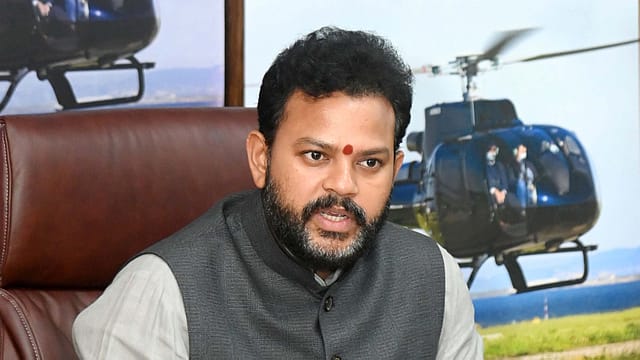
The government on Wednesday reviewed India's preparedness for the adoption of Sustainable Aviation Fuel (SAF), with Civil Aviation Minister K Rammohan Naidu stating that the draft SAF policy is in its final stages as the country prepares for the mandatory implementation of global aviation carbon emission norms from January 1, 2027.
Chairing a high-level meeting with officials from multiple ministries, regulators, airlines, airport operators and oil marketing companies, Naidu assessed the progress on SAF production, certification and supply chain development across the country.
The meeting also reviewed India's readiness to comply with the Carbon Offsetting and Reduction Scheme for International Aviation (CORSIA), the International Civil Aviation Organization's (ICAO) global framework for reducing carbon emissions from international aviation.
The minister said inter-ministerial consultations and stakeholder engagements are underway to finalise the SAF policy, with a focus on ensuring that its implementation does not significantly increase costs for airlines or passengers.
"We have to ensure that this process imposes the least possible burden on passengers and airlines. For that, we need to study all the possible SAF pathways and, within those pathways, identify the most cost-effective mechanism right from production to drop-in at the airport," Naidu said.
He directed all stakeholders to expedite the identified action points so that India is fully prepared before CORSIA enters its mandatory compliance phase next year.
The review assumes significance as airlines worldwide are preparing to increase the use of SAF to reduce lifecycle carbon emissions from aviation, one of the most difficult sectors to decarbonise. India is also working to develop a domestic SAF ecosystem, including feedstock availability, refining capacity, fuel certification and airport infrastructure.
SAF is a low-carbon alternative to conventional jet fuel, produced from renewable feedstocks such as used cooking oil, agricultural waste, municipal solid waste and biomass.
The meeting was attended by senior officials from the ministries of Civil Aviation, Petroleum and Natural Gas, and Environment, Forest and Climate Change. Representatives from the Directorate General of Civil Aviation (DGCA), Airports Authority of India (AAI), Bureau of Indian Standards (BIS), Bureau of Energy Efficiency (BEE), oil marketing companies, airlines and airport operators also participated in the discussions.
(With PTI inputs)