
RBI absorbs ₹6 lakh crore via 2 VRRR as surplus liquidity hits record high
ADVERTISEMENT
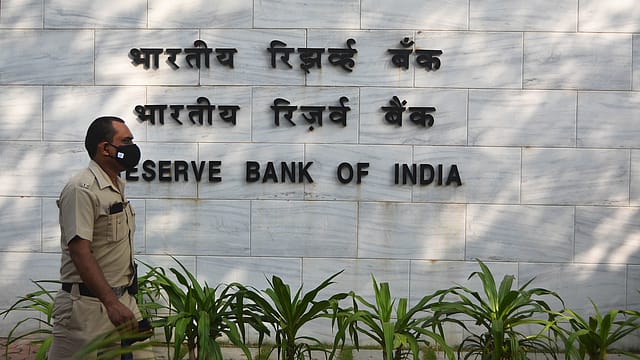
The Reserve Bank of India (RBI) on Friday absorbed over ₹6.02 lakh crore from the banking system through two variable rate reverse repo (VRRR) auctions as surplus liquidity remained at a record high.
The central bank received and accepted bids worth ₹5,41,975 crore in a three-day VRRR auction against the notified amount of ₹7 lakh crore. The auction was conducted at a cut-off rate of 5.24%.
In another three-day VRRR auction, against a notified amount of ₹1.5 lakh crore, banks parked ₹60,419 crore with the RBI, also at 5.24%.
Together, the two operations helped the RBI absorb ₹6,02,394 crore of surplus liquidity.
The RBI has stepped up liquidity absorption operations as the banking system has been flooded with funds following large inflows through the special FCNR(B) deposit scheme.
Currently, liquidity in the banking system is estimated to be in surplus of around ₹10.32 lakh crore as on September 3, according to the RBI's data.
The RBI's special forex measures mobilised $136.38 billion by August 31, including $127.23 billion through FCNR(B) deposits, $5.26 billion through OFCBs and $3.89 billion via ECBs, according to the RBI's data.
The FCNR(B) window was closed a month early on August 31 due to the strong response, while the ECB/OFCB facility remains open till December 31 and inflows through these routes are expected to pick up.
The mobilisation brought foreign currency into the banking system, while the subsequent swaps with the RBI provided rupee liquidity to banks.
Besides FCNR(B) inflows, month-end government expenditure, including payments towards salaries and pensions, also added to liquidity in the banking system.
The higher surplus liquidity in the banking system has pulled down the short-term money market rates in the last few weeks. Currently, the weighted average call money rates are trading at 4.93%, which is 0.32% below the policy rate.
To align with the repo rate, the central bank conducted 32 VRRR auctions between August and so far in September, with maturities ranging from overnight to 14 days.