
Common Customs Documentation Errors (And How to Avoid Them)
ADVERTISEMENT
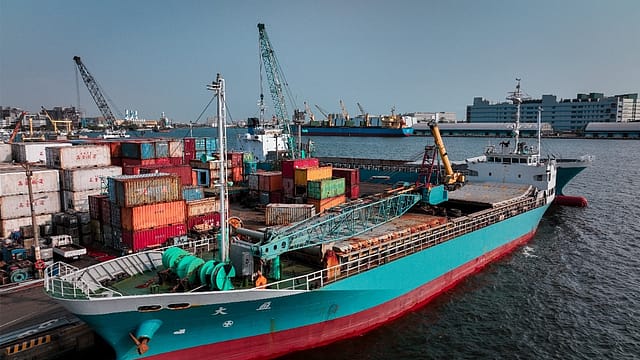
Accurate customs documentation plays an important role in international trade by supporting the easy movement of goods across borders and ensuring regulatory compliance. Even a minor error in a shipping document can cause shipment delays, customs penalties or clearance issues. Therefore, businesses involved in cross-border trading should understand these common mistakes.
This guide outlines the common customs documentation errors and ways to avoid them, helping businesses experience a smoother customs clearance process.
Why is Accurate Customs Documentation Important?
Accurate customs documentation provides smooth customs clearance and abides by import and export rules. If there is any discrepancy in the invoice, HS code or product descriptions, there will be a delay in shipment.
Along with accurate documentation, businesses investing in commercial insurance can manage financial risks related to international trade. Comprehensive and accurate documentation can help ensure that businesses adhere to Indian regulations, reduce disruptions, and ensure seamless freight movement across borders.
What are the Most Common Errors in Customs Documentation?
Listed below are some common customs documentation errors:
Incorrect HS Codes
The incorrect use of a Harmonised System (HS) code can lead to delays in shipment, fines and incorrect duty payments. While preparing customs documents, businesses must classify the product and check the corresponding HS code.
Incorrect Usage of Incoterms
Incoterms outline the responsibility, risks and costs that are divided between the buyer and the seller during the movement of goods. Improper use of the term can cause confusion with freight handling, insurance and customs.
Declaration of Wrong Customs Value
Declaring incorrect customs value can result in penalties. The declared value must include all costs of transport and insurance. To prevent errors, maintain accuracy in records and double-check invoices.
Vague Product Descriptions
Common terms like “parts” or “goods” do not convey enough information to customs authorities. Instead, use descriptive and accurate product descriptions specified on the invoice and supporting documents.
Use of the Incorrect EORI (EU) or VAT Number
Businesses involved in international trading must enter their EORI number (if trading with an EU country) and VAT number correctly on customs forms. Cross-check these details before final documentation submission.
Inaccurate Information about Country of Origin
Declaring the country of origin incorrectly may impact duty rates and lead to shipment rejections. Marine cargo insurance coverage is another option for businesses to protect shipments, particularly in the event of financial risks.
How to Avoid Customs Documentation Errors?
Invest in HS Classification
Defining a correct HS code is one of the important factors in customs documentation. Businesses should use the most up-to-date tariff schedules, or seek advice from customs experts, when determining the appropriate classification of products.
Standardise Documentation Process
Use checklists and approved packing lists, invoice information, certificate of origin and customs declaration templates during the documentation process. The standard procedure helps to reduce errors and provide accurate information.
Proper Training of Staffs
Customs laws and trade requirements change over time. Train employees frequently on documentation, HS classification, valuation rules and the Incoterms. Properly trained employees are more likely to fill in documents correctly.
Cross-Check All Documents
Go through each document carefully before filing marine cargo insurance claims. Ensure that the descriptions, quantities, values, HS codes and shipment details of goods match the packing list, commercial invoice, bill of lading and other supporting documents.
Use Advanced Technology
Digital documentation and automated validation tools reduce manual data entry and the risk of errors. Also, maintains document consistency, record-keeping, and compliance with customs procedures, which help to ensure quicker and smoother customs clearance.
Secure Your Cargo with the TATA AIG Marine Insurance Policy
Proper customs documentation ensures smoother and faster trading internationally without delays, fines, or disruptions. Review documents carefully, use the correct production information, and adhere to customs rules to streamline shipping.
TATA AIG Marine Insurance provides cover for goods in transit by sea, air, road, rail or inland waterways. Businesses can choose from several policy options, depending on single shipments or multiple shipments. The policy also offers instant issuance, no documentation for all eligible purchases, a proper helpdesk number and easy access to the e-Marine portal. This allows businesses to protect their cargo and run their operations with confidence.