
Why Is My Skin So Dry and Flaky? Common Causes and How to Fix It
ADVERTISEMENT
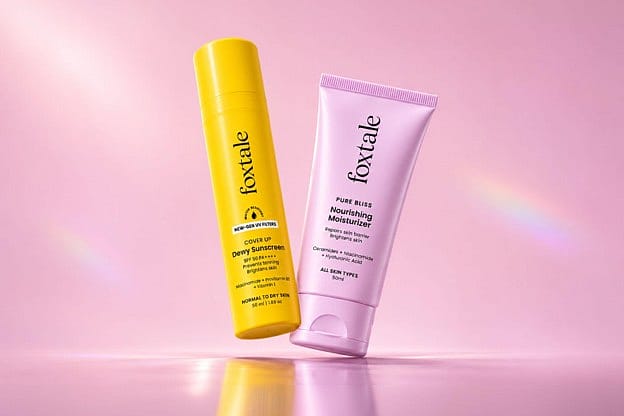
Even with consistent maintenance, dry, flaky skin may be annoying. Makeup that doesn't blend in well, dry areas around the nose, scratchy patches on the cheeks, or stiffness after washing your face are all signs of acne. While dry patches here and there are normal, it might mean your skin is losing moisture at a quicker rate than it can be absorbed if you're dealing with chronic dryness.
A protective barrier that prevents excessive water loss is the stratum corneum, the outermost layer of the skin. The skin might get dry, itchy, and peeling when this protective layer is damaged. To keep this barrier in good repair, it's important to wash gently, moisturize well, and protect skin from the sun. As part of this routine, use a broad-spectrum sunscreen SPF 50 when you're out in the sun. Applying a Ceramide Moisturizer can help restore the skin's moisture barrier and alleviate dryness caused by a compromised one.
What Causes Dry and Flaky Skin?
Dry skin isn't always caused by just one thing. How effectively the skin maintains moisture may be influenced by a variety of factors, including environmental factors, skincare routines, and underlying skin disorders.
1. A Weakened Skin Barrier: The skin's protective barrier is composed of ceramides, cholesterol, fatty acids, and skin cells. Their combined effects help prevent the loss of skin hydration and shield it from environmental aggressors. The term "transepidermal water loss" (TEWL) describes the increased ease with which water may evaporate when this barrier is compromised. The skin's protective barrier might be compromised, leading to symptoms such as tightness, roughness, itching, and flakiness.
2. Over-exfoliation and harsh cleansers: The skin's natural oils might be stripped away if you wash your face too often or with a strong cleanser. The skin barrier can also be compromised by using exfoliating acids, retinoids, or physical scrubs too frequently. This becomes especially apparent when a number of active substances are abruptly added to a regimen without giving the skin sufficient time to adapt.
3. Changes in the Climate and Other Natural Factors: Moisture loss can be accelerated by exposure to low humidity, cold temperatures, air conditioning, or lengthy periods of sunshine. Excessive time spent in air-conditioned spaces can cause skin to feel dry even in warmer regions. Particularly in regions where sebum production is already low, these environmental variables could worsen the appearance of dry skin on the face.
4. Inadequate Moisturizer: If you don't use a moisturizer or if you use a thin product that doesn't work for your skin, moisture will not be securely sealed in.
There may be a need for richer creams that replace lipids and minimize water loss for those with inherently dry skin.
5. Underlying Skin Conditions: Dryness is not usually the cause of persistent flaking. Skin conditions that produce inflammation, scaling, and itching include eczema, psoriasis, and seborrheic dermatitis. A lack of moisture in the body can be brought on by a number of medical issues and prescriptions, such as diabetes and thyroid diseases.
Dry Skin vs Dehydrated Skin: What's the Difference?
Despite their frequent interchangeability, dry skin and dehydrated skin are actually quite different.
If your skin's sebum production is low, you probably have dry skin. At any given time of year, it might feel tight, scratchy, and flaky.
Dehydrated skin, similarly, is a temporary skin condition that results from an inadequate amount of water in the skin. Even oily and combination skin types are not immune. Signs such as tightness, a lack of shine, and the appearance of fine lines are common.
Knowing the difference between these two types of moisturizers can help you decide whether your skin needs more barrier-supporting moisturizers, more moisture, or both.
How to Fix Dry and Flaky Skin: 6 Effective Skincare Tips
When dealing with dry skin, it's important to focus on two things: restoring moisture and strengthening the skin barrier. Maintaining a regular schedule helps alleviate discomfort and lessen the frequency of dry spells.
1. Use a Mild Cleanser Instead: Make sure to select a gentle cleanser that won't dry out your skin while effectively removing sunscreen, excess oil, and dirt. Do not use any products that are known to irritate the skin or produce an excessive amount of foam. Another way to keep your face from drying out is to use lukewarm water instead of hot water while washing it.
2. Find a Moisturizer That Helps Build a Barrier: If your skin is dry, you need a moisturizer that can either bring in more moisture or keep it from drying. Keep an eye out for components like:
● Hyaluronic acid: A humectant that draws and retains moisture in the skin.
● Glycerin: Helps attract moisture to the skin's outer layers.
● Ceramides: They help prevent moisture loss from the skin and stabilize the skin barrier.
● Squalane: A skin-softening emollient.
● Niacinamide: Promotes healthier skin by fortifying the skin's protective barrier, which in turn helps the skin retain more moisture and look smoother.
● Kokum butter: An emollient derived from plants that softens and nourishes dry skin while lowering moisture loss.
For really dry skin, a thicker moisturizer or ointment may be better than a lightweight moisturizer.
3. Apply Moisturiser on Slightly Damp Skin: If you want your moisturizing regimen to be more effective, try applying your cream right after you wash your face or take a bath, when your skin is still somewhat damp. It helps retain moisture and minimizes the tightness that may set in after washing.
4. Avoid Over-Exfoliating: Cut back on physical scrubs, retinoids, and acids that exfoliate if you notice your skin is flaking or peeling. An already damaged skin barrier might become even more inflamed by these substances. Reintroduce active ingredients gently when your skin has healed.
5. Always Wear Sunscreen: Sunlight rays may dissolve the protective layer of skin, causing wrinkles, discoloration, and dryness as well as hastening the aging process. Sunscreen with a broad-spectrum SPF 50 should be used daily, regardless of weather conditions, including on overcast days. For outdoor use, reapply every two hours, especially after swimming or heavy perspiration. At the same time, as the skin is healing from external stress, this helps keep it protected.
6. Pick a Skin Barrier-Supporting Moisturizer: Moisturisation should be a regular part of your routine while coping with chronic dryness. To keep the skin's protective barrier intact, seek out formulations that include ceramides, glycerin, and other such substances. The presence of ceramides in the skin barrier, which aid in its structural maintenance, makes them very valuable. Using a suitable moisturizer on a regular basis can help soften skin, lessen roughness, and prevent moisture loss.
When Should You See a Dermatologist?
In most cases, a little tweak to your skincare routine will take care of that occasional dryness. But if your face's flaky skin persists, it could be time to see a dermatologist.
Get in touch with a dermatologist if you encounter:
● Severe itching, redness, or inflammation.
● Deep cracks, bleeding, or painful patches.
● Significant patches of skin flaking or peeling.
● Skin that remains dry even after using moisturizer regularly.
● Repeated flaking in the area of the scalp, eyebrows, or nose.
An underlying skin issue may be indicated by these symptoms, which may necessitate particular treatment.
Conclusion
When skin becomes dry and flaky, it usually means it's having trouble retaining moisture. This is a valid issue for many reasons, including but not limited to: environmental variables, underlying skin disorders, over-exfoliation, and strong cleansers.
Finding the cause, streamlining your skincare regimen, and concentrating on repairing the skin barrier with mild washing, frequent moisturization, and daily sun protection is the best way to achieve your goals. Over time, with regular maintenance, skin can progressively recover its suppleness, comfort, and radiant glow.