
Bisleri challenges FSSAI's coliform finding, seeks review after two labs clear Bengal sample
ADVERTISEMENT
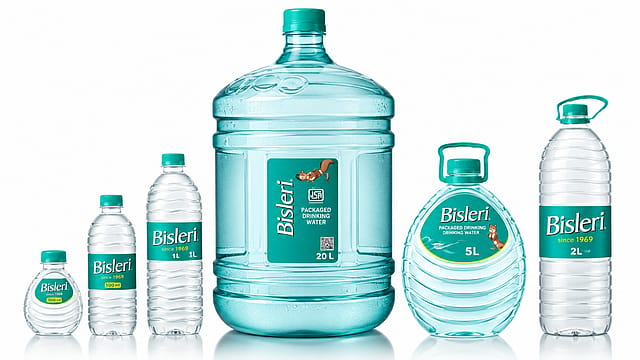
Bisleri International has urged the Food Safety and Standards Authority of India (FSSAI) to review its findings after two independent laboratories reportedly found a packaged drinking water sample from the company's West Bengal plant compliant with quality standards.
The response comes after FSSAI sanctioned prosecution against Bisleri following a regulatory sample from its manufacturing facility in Telipara village, Jalpaiguri district, testing positive for coliform bacteria.
Both the primary and referral laboratories had detected the presence of coliform bacteria in the sample. The regulator had subsequently prohibited the sale of the specific batch, numbered PB201, on August 12, 2026.
Bisleri questions variation in lab findings
Bisleri said it had already recalled the affected batch following FSSAI's direction. However, it claimed that independent testing of samples from the same batch at two FSSAI-recognised laboratories produced different results.
"Bisleri separately commissioned independent testing of samples from the same batch at an FSSAI-recognised laboratory, which found that the sample met the applicable standard for coliform bacteria and all other applicable food safety standards," the company said.
It added that samples tested at another independent, FSSAI-recognised laboratory also met the applicable standard for coliform bacteria.
"The difference between the regulatory and independent findings warrants a thorough review," Bisleri said.
The company has called on FSSAI to examine the sampling process, testing methodology, laboratory findings and any factors that may have contributed to the variation in results. It said it expected the matter to be assessed against the same standards applied across the industry and would continue to cooperate with the regulator.
The independent test results cited by Bisleri are the company's claims and do not change the regulatory findings or the prosecution action announced by FSSAI.
Second prosecution action within a week
The West Bengal case marks the second instance of FSSAI sanctioning prosecution against Bisleri within a week. Earlier, the regulator initiated similar proceedings after a sample from the company's Goa facility was declared unsafe.
In the Goa case, the primary laboratory detected bromate above the prescribed limit. Following an appeal by Bisleri, a referral laboratory also classified the sample as unsafe after detecting polynuclear aromatic hydrocarbons (PAHs).
Bisleri had disputed aspects of the Goa findings, saying the action concerned a single batch that was no longer available in the market.
Meanwhile, FSSAI CEO Rajit Punhani recently said the regulator was collecting packaged drinking water samples from across the country, with laboratory testing expected to be completed within one to two months. The regulator has also asked state food commissioners and regional directors to strengthen surveillance, inspection and sampling of packaged drinking water and mineral water.