
Centre to table Public Examinations Amendment Bill, 2026, in Lok Sabha today
ADVERTISEMENT
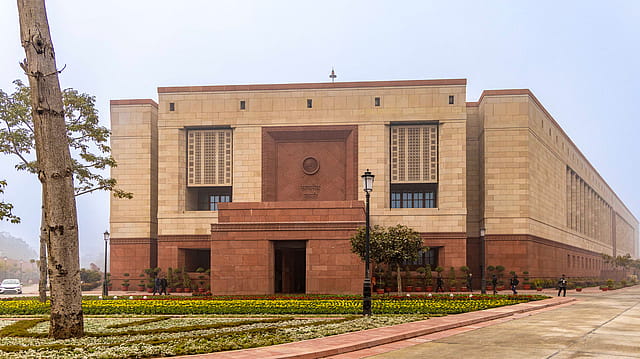
The Centre is set to introduce the Public Examinations (Prevention of Unfair Means) Amendment Bill, 2026 in the Lok Sabha on Monday, seeking to tighten the legal framework against paper leaks, organised cheating and other malpractices in recruitment and entrance examinations.
Union Minister Dr Jitendra Singh will move the Bill for introduction, consideration and passage in the House.
The proposed legislation seeks to significantly strengthen the provisions of the Public Examinations (Prevention of Unfair Means) Act, 2024, which was enacted following a series of high-profile paper leak incidents to curb unfair practices in examinations conducted by agencies such as the Union Public Service Commission (UPSC), Staff Selection Commission (SSC), National Testing Agency (NTA) and Railway Recruitment Boards (RRBs).
Among the key changes proposed is a substantial increase in penalties for those found guilty of exam-related offences. The minimum prison term has been enhanced from three years to five years, while the maximum sentence has been doubled to 10 years. The maximum financial penalty has also been raised fivefold, from ₹10 lakh to ₹50 lakh.
The amendment further targets service providers involved in conducting public examinations. Companies found complicit in malpractice could face fines of up to ₹5 crore and be barred from participating in public examinations for eight years, compared with the existing four-year prohibition.
Directors and senior management officials of such entities, if found responsible, may also face a minimum five-year jail term along with fines of up to ₹5 crore.
The proposed law prescribes even stricter punishment for organised exam fraud. Such offences could attract a minimum prison sentence of seven years and a minimum penalty of ₹10 crore, reflecting the government's intent to crack down on organised rackets behind paper leaks.
To ensure quicker action, the Bill empowers the Centre to establish a Special Task Force (STF) for investigations in addition to referring cases to a central investigating agency. It also mandates that investigations under the Act be completed within two months.
The amendment comes amid persistent concerns over the integrity of competitive examinations across the country. If approved by Parliament, the revised law is expected to strengthen deterrence against organised cheating, expedite investigations and reinforce public confidence in the fairness and credibility of national examinations.