
BSE growth faces fresh reality check as CAS, low VIX squeeze options volumes; MCX bucks trend
ADVERTISEMENT
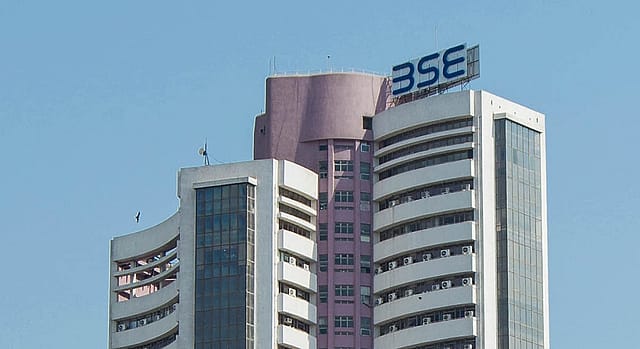
BSE’s explosive growth in equity derivatives is facing a reality check, with regulatory changes, lower market volatility and a high base expected to substantially moderate options volumes, according to brokerage reports.
Bernstein, which initiated coverage of Indian exchanges on September 8, said equity-options volumes could grow just 5% in FY27, sharply below the 31% YoY growth recorded in Q1FY27. The brokerage attributed the slowdown to lower India VIX, the CAS introduced from August 1, tighter RBI leverage norms and a high base.
“Growth will soften” during the rest of FY27, Bernstein said, arguing that the combination of these factors will weigh on market volumes.
The impact of CAS has already become visible. Bernstein found that during the August 1-28 period, BSE’s options premium average daily turnover fell 22%, compared with a 14% decline at NSE. BSE also saw contracts traded decline 30%, against a 7% fall at NSE.
The brokerage said the decline in India VIX is particularly important because volatility is a key driver of options premium per contract. India VIX was at extremely subdued levels, creating pressure on premium turnover even when the number of contracts traded remains relatively resilient.
Bernstein expects BSE’s market-share gains to continue through FY27, but said most of the gains should accrue by Q4FY27, after which BSE's revenue growth will increasingly mirror overall market-volume growth.
MCX is seeing the opposite volume story
While BSE is entering a phase of normalisation, MCX is seeing what Bernstein describes as a powerful participation wave in commodity derivatives.
MCX options contracts traded jumped 4.3 times YoY in August 2026, while futures contracts rose 2.1 times YoY. Bernstein noted that futures activity remained relatively resilient even after gold prices cooled from their H2FY26 peak.
More importantly, Bernstein believes the commodity-derivatives opportunity is still at an early stage.
Only around 25% of retail equity-derivatives traders currently participate in commodity derivatives, according to the brokerage. Commodity-options contracts remain less than 5% of equity-options contracts, while commodity-options premium turnover is less than 1% of equity-options premium turnover.
“The participation wave will remain strong,” Bernstein said, pointing to rising awareness, broker activation, wider FPI/HFT access and efforts to align commodity-market margin norms more closely with equities.
The brokerage also expects newer retail brokers to drive commodity participation as they look to diversify their revenue away from equity derivatives. Longer trading hours for commodities could further encourage retail and HFT participation.
Gold gives MCX another potential boost
Bernstein sees another potential catalyst in gold prices.
The brokerage is positively biased on gold, arguing that global government and central-bank efforts around sovereign debt and yields could support bullion prices. A stronger gold-price environment would provide an additional boost to MCX’s futures revenue.
Bernstein is already 7%/11% ahead of consensus on FY27 MCX options/futures volumes and 10%-12% ahead of consensus earnings estimates for FY27/28. It expects strong participation and potential earnings upgrades to support the stock’s investment case.
It also flagged the proposed FPI framework for commodity derivatives as a positive development, saying it could open the door to greater FPI and HFT participation in bullion futures and options.
Other brokerages flag regulatory pressure
The concerns around BSE are not limited to Bernstein. PL Capital retained a BUY rating but said regulatory pressure could weigh on growth, with industry derivatives volumes contracting around 6% MoM in August and BSE index-options volumes falling 27% MoM after CAS.
Motilal Oswal retained a Neutral view on BSE, cutting its FY27/FY28 earnings estimates by 9%/8% on higher expenses and a weaker volume trajectory.
On MCX, Motilal Oswal also maintained a Neutral rating, despite a strong Q1FY27 performance. Operating revenue rose 88% YoY to around ₹700 crore, while EBITDA came in at about ₹490 crore. The brokerage, however, cautioned that volumes remain vulnerable to further regulatory and participation-related changes.
(DISCLAIMER: The views and opinions expressed by investment experts on fortuneindia.com are either their own or of their organisations, but not necessarily that of fortuneindia.com and its editorial team. Readers are advised to consult certified experts before taking investment decisions.)