
Fake iPhone Duo deals offer 25% discount, use 30-minute countdown to lure buyers: Kaspersky
ADVERTISEMENT
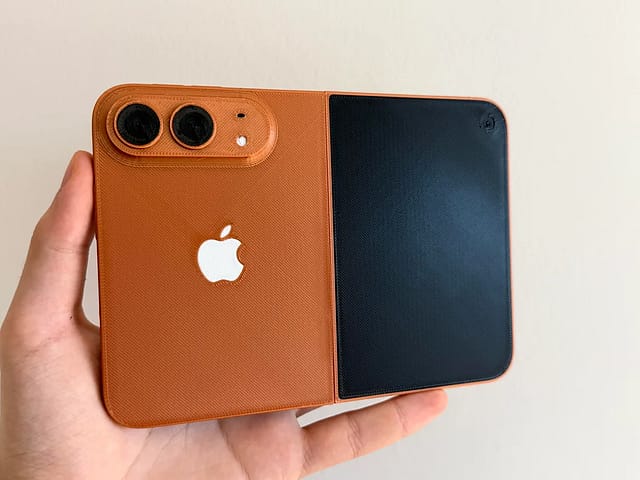
Apple’s entry into the foldable smartphone market has attracted the attention of cybercriminals, with scammers exploiting interest in its new iPhone Duo to target prospective buyers. Cybersecurity firm Kaspersky has detected multiple fraudulent campaigns across different parts of the world, using deceptive websites, discounted offers and fake preorder arrangements to lure consumers.
The iPhone Duo officially went on sale on October 23. One fraudulent English-language website advertised a 25% discount on the device, closely imitating Apple’s visual style to appear genuine.
A countdown timer claiming that the offer would expire in 30 minutes was designed to create urgency and encourage visitors to make purchases without checking the seller’s credentials.
Fake discounts and preorders target buyers
The website collected customers’ contact details and shipping addresses but did not immediately ask for card information. Instead, it claimed that a manager would contact buyers later to confirm delivery and payment details. Such an approach can serve as the opening stage of a fraudulent scheme that could eventually lead to financial losses, Kaspersky warned.
Researchers also identified multilingual websites displaying the smartphone’s features and inviting customers to place preorders. These pages allowed users to select their preferred currency and suggested that buyers would be redirected to Apple’s official website, a claim that proved false.
WhatsApp details sought in another scam
A separate fraudulent campaign targeted Portuguese-speaking consumers, asking prospective buyers to provide their email addresses and the phone numbers linked to their WhatsApp accounts to check product availability.
Kaspersky cautioned that collecting such information could expose victims to further social engineering attempts, in which scammers exploit personal details to manipulate users into disclosing sensitive information or taking actions that compromise their security.
“Scammers move fast when a flagship device hits the market, because hype creates urgency and urgency lowers caution,” said Olga Altukhova, senior web content analyst at Kaspersky.
She added that unofficial discounts, preorders and availability checks should be treated as warning signs, particularly when sellers attempt to move conversations to private messaging channels before their claims can be verified.
How consumers can avoid online fraud
Kaspersky advised buyers to purchase devices only through official or reputable retailers and verify website addresses and organisation names before sharing personal information.
The company also recommended using security software that detects fraudulent stores and blocks phishing links, alongside virtual cards or secure payment services for online purchases. Consumers should enable two-factor authentication on financial accounts, use password managers and regularly check bank statements for unauthorised transactions.