
Semicon India 2026: Tata Electronics signs 16 MoUs with global, Indian partners
ADVERTISEMENT
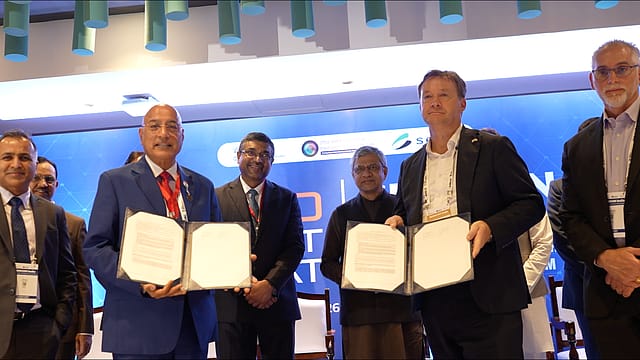
Tata Electronics is signing 16 memoranda of understanding (MoUs) with global and Indian companies at SEMICON India 2026 as the Tata Group company looks to build a wider semiconductor manufacturing ecosystem around its upcoming facilities in Dholera, Gujarat, and Jagiroad, Assam. The agreements span suppliers, technology partners and institutions across multiple stages of the semiconductor value chain.
Speaking to the media on the sidelines of the event, Tata Electronics CEO and Managing Director Dr. Randhir Thakur noted that the agreements were significant because several involved the company’s customers and key ecosystem partners.
“First of all, some of these MoUs have been signed by our customers, and our customers are extremely important to our future. Therefore, these agreements carry significant value for us. Many of the MoUs have also been signed with our partners based in Europe, Japan, Malaysia, and Singapore. They form a critical part of our ecosystem, as our factories will rely on more than 400 suppliers from around the world. We want to ensure there is a strong mutual commitment from both sides. These MoUs carry considerable meaning and value, both for us and for our partners,” Thakur said.
The partnerships announced at Semicon India include Nexperia and BESI from Europe, JSR, Fujifilm, Sumitomo, Sojitz and Enomoto from Japan, Kelington from Malaysia, Ascendas First Space from Singapore, and Indian companies and institutions including L&T Semiconductors, Inox Air Products, Semiconductor Laboratory and Gati Shakti Vishwavidyalaya. The partners will bring capabilities spanning equipment, materials, manufacturing, packaging, supply chains, and workforce development.
Tata Electronics expands Dholera, Assam semiconductor ecosystem
Tata Electronics is developing a 300-mm semiconductor fabrication facility in Dholera in partnership with Taiwan’s Powerchip Semiconductor Manufacturing Corporation (PSMC), while its Jagiroad facility in Assam will focus on semiconductor assembly and testing. Thakur said both greenfield projects remain on track to meet the commitments made to the government.
More than 450 ecosystem partners are currently involved in the Dholera project across construction, equipment, chemicals and materials. The 16 MoUs follow Tata Electronics’ earlier partnership with ASML, the global semiconductor lithography equipment maker.
Thakur also said Tata Electronics has created more than 1.5 lakh direct jobs across its operations, with women accounting for 65% of its workforce. Around 300 fresh graduates from Indian universities are currently undergoing technical training at PSMC’s fabrication facilities in Taiwan as the company builds a workforce for semiconductor manufacturing in India.
At the inaugural session of Semicon India, Thakur said India’s semiconductor opportunity had moved beyond the question of whether the country could manufacture chips to how quickly and deeply it could build the broader ecosystem. He also said India’s electronics industry had grown from around ₹2 lakh crore in 2014 to more than ₹13 lakh crore in 2026.
Thakur said the country now has 12 semiconductor factories at different stages of completion and is already exporting Made-in-India chips to global customers, underlining the shift towards building a broader domestic semiconductor manufacturing base.