
SpaceX Starship Flight 14: Elon Musk’s giant rocket set for first orbital flight, to deploy 26 Starlink V3 satellites
ADVERTISEMENT
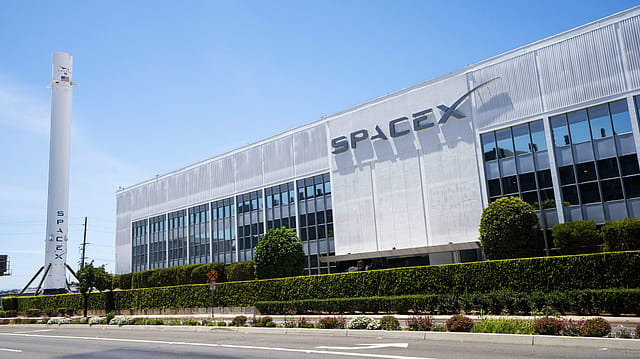
SpaceX is preparing to launch its Starship rocket on September 28, with the 14th flight test of the giant launch vehicle set to attempt its first orbital flight and deploy 26 next-generation Starlink V3 satellites.
The mission, designated Flight 14, is scheduled to lift off from the company's Starbase facility in Texas. The launch window is expected to open at 8:15 am Eastern Daylight Time (5:45 pm IST), subject to weather and other operational conditions. The flight marks a new phase in the development of Starship, which SpaceX is building as a fully reusable transportation system for carrying people and cargo into space. The vehicle is central to the company's plans for expanding its Starlink satellite network and supporting future lunar and Mars missions.
SpaceX said in its mission description that the flight would be a major step towards making the vehicle reusable at a higher frequency. "By going to orbit, the next phase of developing Starship to be fully and rapidly reusable can begin," the company said. The mission will also attempt to deploy Starlink V3 satellites, a new generation of spacecraft designed to increase the capacity of the company's satellite internet network.
Starship Flight 14: What to expect from the launch
Starship is made up of two stages: the Super Heavy booster, which provides the thrust needed to lift the vehicle off the ground, and the upper-stage Starship spacecraft, which is designed to carry payloads into space.
During Flight 14, the Super Heavy booster is expected to separate from the spacecraft shortly after liftoff and splash down in the Gulf of Mexico. The upper stage will attempt to reach an orbit roughly 275 km above Earth before deploying the 26 Starlink V3 satellites.
The spacecraft is then expected to complete several orbits before making a planned splashdown in the Pacific Ocean. SpaceX is not planning to recover either stage using its launch tower during this flight.
The US Federal Aviation Administration (FAA) cleared the mission for launch and re-entry operations on September 26. “On Sept. 26, the FAA issued license authorization for the SpaceX Starship – Super Heavy Flight 14 launch and reentry operations,” the regulator said in a statement, as reported by Aviation Week.
Starship Flight 14 to deploy 26 Starlink V3 satellites
One of the key objectives of the mission is the deployment of 26 Starlink V3 satellites, which are designed to offer higher data capacity than earlier generations of the company’s satellites.
SpaceX said the mission would mark the first planned deployment of Starlink V3 satellites into its constellation. “This will also mark the first time we plan to deploy Starlink V3 satellites into the constellation, delivering a payload that will dramatically expand connectivity speeds and reliability around the world,” the company said.
Starlink operates a satellite-based broadband network that provides internet connectivity in several countries. The V3 satellites are designed to support greater network capacity, while Starship is expected to carry larger batches of these spacecraft than the company’s existing Falcon 9 rockets.
The deployment is also an important test of Starship’s ability to carry commercial payloads into orbit, rather than just conducting demonstration flights.
Why SpaceX’s Starship Flight 14 matters
Starship has completed 13 flight tests so far, with earlier missions largely following suborbital trajectories. Flight 14 is expected to attempt the vehicle’s first orbital flight, a milestone for a rocket system that SpaceX intends to make fully reusable.
The company is developing Starship for a range of missions, including the deployment of large satellite constellations and future crewed missions to the Moon and Mars. NASA has selected a modified version of Starship as a lunar lander for its Artemis programme, which aims to return astronauts to the Moon.
However, the vehicle still needs to demonstrate that it can reliably reach orbit, deploy payloads and eventually be recovered and reused. Flight 14 is expected to test some of these capabilities, although a successful orbital flight alone would not establish that the entire system is ready for regular commercial operations.