
US launches strikes on Iran’s Qeshm Island in Strait of Hormuz; Tehran reports explosions
ADVERTISEMENT
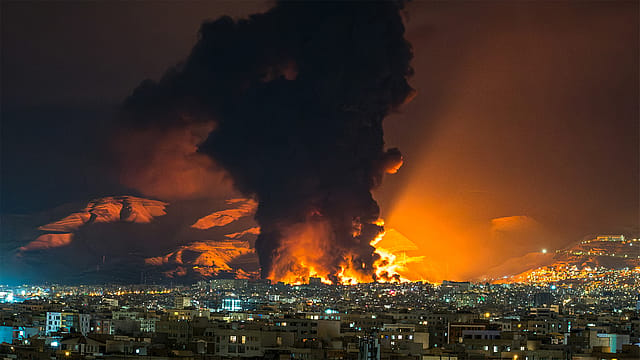
The US has launched strikes on Iran’s Qeshm Island in the strategically important Strait of Hormuz, according to media reports, as tensions between Washington and Tehran continue amid efforts to negotiate an end to the war.
Iran’s state news agency IRNA reported several explosions on the island on Monday. US officials described the strikes as limited and said they were carried out in response to Iran’s Islamic Revolutionary Guard Corps (IRGC) firing on a US aircraft.
Trump under pressure ahead of midterms
The strikes come amid mounting domestic political pressure on US President Donald Trump to bring the conflict to an end. The war began in February when the US and Israel launched attacks on Iran. Trump has also been facing declining poll numbers and pressure from within his Republican Party ahead of the US midterm elections, which will determine control of Congress.
Earlier on Monday, Trump told reporters that he was in "no rush" to escalate military action against Iran. "One way or the other, we will do something, but there is no rush. We crippled them financially," he told Axios. "They have no money, no gasoline, and their people are getting very tired of it."
On the eve of the midterm elections, Trump also said the US might need to target "Pickaxe", a site linked to Iran’s nuclear programme. He described such an operation as "not a big deal", adding that it could be completed in "one hour".
There has been growing speculation in recent days that Washington could resume large-scale strikes against Iran after the midterm elections. However, when asked on Monday whether the US was planning such action, Trump said "no".
Meanwhile, diplomatic efforts to end the conflict appear to be continuing. Iranian Foreign Minister Abbas Araghchi told IRNA earlier that "very intensive" negotiations with the US were under way through mediators.
Araghchi said Tehran was prepared for both diplomatic and military scenarios "more than ever before". He added that the choice rested with Washington between taking the "wise path" of negotiations and making the "mistake of military aggression".