FMCG distributors face rising compliance risks as 1 in 10 fail FSSAI verification
/ 2 min read
AuthBridge report flags expired licences, identity mismatches and GST lapses, warning that weak distributor due diligence is exposing FMCG firms to regulatory action, credit write-offs and supply chain disruption
THIS STORY FEATURES
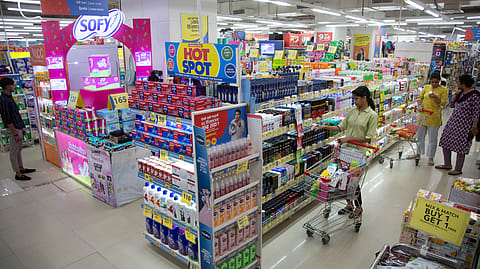
Credits: Sanjay Rawat
Nearly one in 10 distributor applications in India’s fast moving consumer goods sector failed FSSAI licence verification, exposing FMCG companies to regulatory, financial and supply chain risks, according to a new report by AuthBridge.
The report, Third Party Risk Files 2026: Fraud Patterns in Distributor Onboarding (FMCG), found that 9.8% of distributor applications failed FSSAI checks, with problems ranging from expired licences and invalid certificates to missing approvals for specific product categories. Another 8% showed identity mismatches across regulatory documents, while 4.5% failed GST compliance checks because of cancelled registrations, incorrect certificates or GST registrations submitted for the wrong state.
The Food Safety and Standards Authority of India has issued more than 150 notices to food companies in recent months over misleading advertisements, false claims and labelling non-compliance. The companies named by the regulator include Nestlé India, PepsiCo, Abbott India, Red Bull India, Danone India, Monster Energy India, Hell Energy, Mondelez India, Coca-Cola India, Diageo, Pernod Ricard, Ferrero India and Kenvue.
The risk goes beyond fake documents
For FMCG companies, the problem may not end with an invalid licence. AuthBridge found inconsistencies between government records, including GST and FSSAI address mismatches and PAN and GST name mismatches. Such discrepancies could point to documentation errors, shell entities or potential identity fraud, the report said.
In some cases, distributors operating under one trade name submitted GST credentials belonging to another legal entity, potentially allowing fraudulent businesses to get past conventional document checks. The report also flagged financial credit misuse, where distributors divert working capital into unrelated investments, raising the risk of defaults and bad debt for FMCG companies.
“Trust cannot be established through documents alone. Businesses need continuous, intelligence driven verification that validates identities, regulatory records, and financial health before and throughout the lifecycle of every third-party relationship,” said Ajay Trehan, founder and CEO of AuthBridge.
The implications extend from the balance sheet to the wider supply chain. AuthBridge said weak distributor due diligence can result in credit write offs, revenue leakage and tax liabilities, while fraudulent distributors can compromise supply chain integrity and damage brand reputation. Regulatory failures can also expose companies to GST audits, FSSAI scrutiny and product recalls.
The findings are particularly relevant as FSSAI steps up enforcement across the food ecosystem. In August, Maharashtra authorities suspended permits at 12 quick commerce warehouses, including five each operated by Blinkit and Zepto and two by Swiggy Instamart, after inspections found issues including pests, rodent droppings and rotten food. More recently, FSSAI also prohibited Everest Food Products and Laljee Godhoo and Company from selling certain compounded hing products after samples failed prescribed standards.
AuthBridge recommends that FMCG companies move beyond one-time onboarding checks towards continuous verification covering regulatory records, identity matching, trade names and financial health.


Follow Fortune India
NEXT STORY