Indian OMCs, GAIL face narrower buffers from prolonged Iran shock: Fitch
/ 2 min read
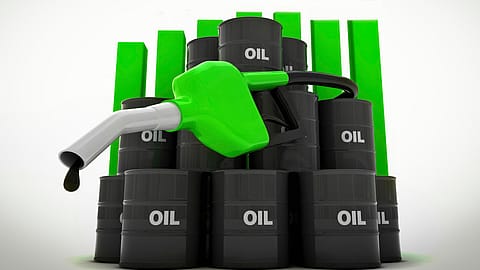
India imports nearly half of its natural gas requirements, with the Middle East accounting for about 60% of LNG supplies, leaving GAIL's transmission and marketing businesses vulnerable to supply disruptions. | Credits: Getty Images
Indian OMCs, GAIL face narrower buffers from prolonged Iran shock: Fitch
Fitch Ratings warns that Indian oil marketing companies and GAIL may face cash-flow pressures if Iran-related disruptions persist, particularly affecting the Strait of Hormuz. While government support is expected to uphold state-run firms' ratings, prolonged supply issues could strain credit metrics. BPCL is best positioned to handle disruptions, while GAIL's leverage may rise due to LNG supply vulnerabilities.
This summary is AI-generated, and Fortune India is not responsible for its content or any associated copyright issues.
Fitch said the government is likely to balance the financial health of OMCs with efforts to manage inflation and fiscal policy, as seen in past periods of crude price volatility.
THIS STORY FEATURES
India imports nearly half of its natural gas requirements, with the Middle East accounting for about 60% of LNG supplies, leaving GAIL's transmission and marketing businesses vulnerable to supply disruptions. | Credits: Getty Images
Indian oil marketing companies (OMCs) and GAIL (India) Limited could face cash-flow pressure if disruptions linked to tensions involving Iran persist, particularly if the Strait of Hormuz remains closed or oil prices stay elevated for an extended period, according to Fitch Ratings.
While near-term credit metrics and standalone credit profiles may weaken, the ratings of state-run firms are expected to remain supported by strong government backing.
Among rated OMCs, Bharat Petroleum Corporation Limited (BPCL) currently has the strongest balance-sheet buffers to withstand a prolonged supply disruption or higher feedstock costs, followed by Indian Oil Corporation Limited (IOC), and Hindustan Petroleum Corporation Limited (HPCL), Fitch said in a note.
Fitch said the government is likely to balance the financial health of OMCs with efforts to manage inflation and fiscal policy, as seen in past periods of crude price volatility.
"We expect GAIL's leverage to rise from a Middle East liquified natural gas (LNG) disruption, but it is less exposed to a prolonged supply shock and price escalation than rated OMCs due to lower dependence on imported feedstock and higher balance-sheet headroom," it said.
India imports nearly half of its natural gas requirements, with the Middle East accounting for about 60% of LNG supplies, leaving GAIL's transmission and marketing businesses vulnerable to supply disruptions.
If Middle East LNG is unavailable for one quarter, Fitch estimates GAIL's EBITDA net leverage could rise to about 2.5x in the financial year ending March 2027, compared with an earlier estimate of 1.8x.
A two-quarter disruption could push leverage closer to 3.0x due to weaker petrochemical earnings, lower LNG marketing and transmission volumes, and higher working capital needs. The company could mitigate the impact by cutting LNG use in petrochemicals, sourcing spot cargoes and slowing capital expenditure.
For rated OMCs, Fitch estimates EBITDA net leverage could rise by about 0.4x-0.6x in FY27 under a scenario where Iran-related disruption lifts Brent crude to around $90 per barrel for a quarter, refining margins double and marketing profits fall to zero.
The companies are expected to manage short-term volatility using balance-sheet capacity, although prolonged pressure could weigh on cash generation and narrow credit buffers.
Standalone refiners such as Reliance Industries could see mixed effects from higher crude prices, benefiting initially from inventory gains and stronger product cracks, but facing potential crude shortages and refinery run cuts if supply constraints persist, Fitch added.
Follow Fortune India
NEXT STORY