
Bhutan wins 2026 Earthshot Prize for conservation efforts; spotlight on sustainable tourism
ADVERTISEMENT
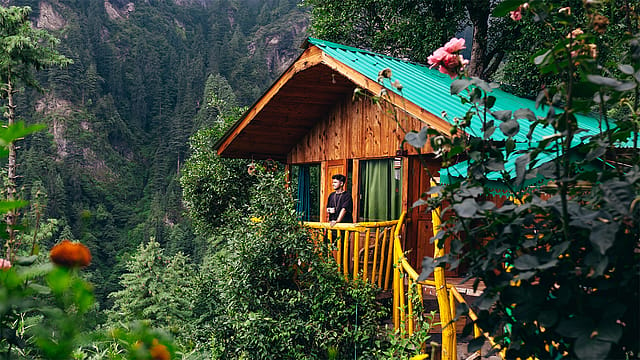
Bhutan has been named a winner of the 2026 Earthshot Prize in the ‘Protect and Restore Nature’ category, recognising its long-standing commitment to conservation and efforts to restore degraded landscapes.
Founded by HRH Prince William in 2020, the Earthshot Prize identifies and supports solutions with the potential to drive large-scale environmental change. Each of its five annual winners receives £1 million, along with access to the prize's global network to help scale their initiatives.
Bhutan's recognition reflects an approach in which environmental conservation is embedded in the country's development framework rather than treated as a standalone initiative. Its Constitution mandates that at least 60% of the country's land remain under forest cover for all time. Nearly 70% of Bhutan's land is currently forested, helping protect Himalayan water systems that support around 160 crore people downstream across South Asia.
The country is also pursuing landscape restoration through its Restore Bhutan initiative, which aims to rehabilitate 50,000 hectares of degraded forests, farmland, and urban landscapes by 2030.
The recognition also puts the spotlight on Bhutan's approach to tourism, where nature, culture, and local communities are closely intertwined. For visitors, the experience extends beyond sightseeing to exploring the country's natural surroundings, traditions and way of life.
Experiencing Bhutan beyond sightseeing
One such experience is offered by The Postcard Dewa, located on the outskirts of Thimphu in a forested setting overlooking the Khasadrapchu valley and the Wang Chhu River.
The property has 13 rooms and two suites, designed to bring the surrounding landscape into the guest experience through private sit-outs, natural light and traditional Bhutanese elements. The Dewa Suite also features a private garden, terrace, and dining gazebo.
The hotel offers regional explorations and experiences rooted in the local landscape, culture and communities. Its hospitality model includes flexible check-in and check-out timings and breakfast at any time, allowing guests to plan their stays around their preferred pace of travel.
Beyond the property, curated excursions introduce visitors to Thimphu's cultural and natural heritage. A short walk from the hotel leads to Nyenzerkha Lhakhang, a seventh-century temple overlooking the valley. Other experiences include visits to the capital's sacred sites and local markets, as well as excursions along surrounding mountain trails.
Guests can also participate in traditional archery and khuru sessions with local instructors. The property showcases Bhutanese heritage through thangka paintings, traditional textiles, cane work and antiques preserved from an old monastery.
For those interested in the region's biodiversity, the hotel organises forest walks and foraging experiences that introduce visitors to native plants and seasonal mushrooms, including their culinary and medicinal uses.
Local cuisine and traditional wellness
Food is another way the property seeks to connect guests with Bhutanese culture. Its menu features traditional dishes such as Ema Datshi, Maru, and Paksha Paa, alongside red rice, buckwheat, Bhutanese chillies, and mountain trout. Locally sourced ingredients form the foundation of the culinary experience.
Guests can sample these dishes at different settings, including a terrace overlooking the Himalayas, around a bonfire or during private picnics beside the Wang Chhu River. The hotel also offers chef-curated picnic baskets.
The experience extends to wellness, with traditional Bhutanese-inspired therapies and hot stone baths drawing on the country's cultural practices.
Bhutan's recognition at the Earthshot Prize brings international attention to a development model that places environmental protection alongside economic progress and community well-being. For its tourism sector, this offers an opportunity to showcase a destination where conservation is not merely an attraction but an integral part of the country's identity.
At properties such as The Postcard Dewa, that philosophy finds expression in the surrounding forests, the river landscape, local cuisine, and cultural experiences that connect visitors with the communities and traditions of the region.