
India’s intra-city parcel deliveries could touch 2 billion orders by 2030, led by SMEs
ADVERTISEMENT
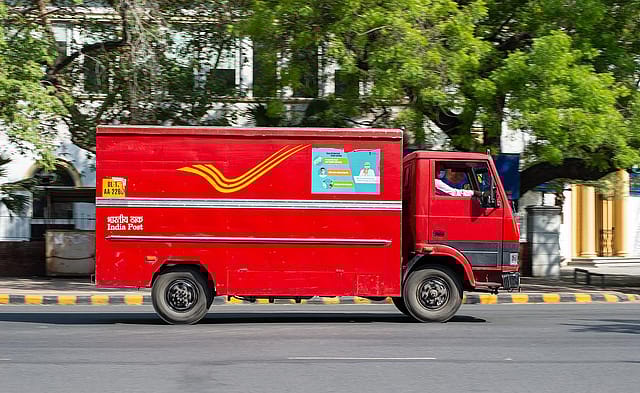
India’s intra-city parcel market is poised for explosive growth over the next five years, with annual order volumes expected to rise from about 280 million in calendar year 2025 to between 1.5 billion and 2 billion by 2030, as small businesses increasingly shift away from informal delivery networks and consumers embrace app-based parcel services.
According to a report by consulting firm Resdeer, the market is expected to expand at an annual growth rate of 40-50%, driven by two parallel trends: the formalisation of delivery operations among small and medium enterprises (SMEs) and the growing adoption of consumer-to-consumer (C2C) parcel services.
“The opportunity is real. Capturing it requires understanding what is actually driving it,” said Nikhil Dalal, associate partner at Resdeer. He noted that a significant portion of business delivery demand still moves through unorganised channels. However, digital platforms are steadily attracting SMEs by offering real-time tracking, on-demand dispatch and transparent pricing.
“There are two growth engines that are functioning simultaneously. With SMEs, large volumes of business demand still move through unorganised channels. Digital platforms provide on-demand dispatch, real-time tracking and transparent pricing,” he said.
The report highlights that as SMEs deepen their engagement with organised delivery platforms, demand increasingly shifts towards higher-value vehicle categories such as light commercial vehicles (LCVs) and trucks. These vehicles generate five to ten times the revenue per trip compared with two-wheelers, allowing platforms to increase revenue without proportionate growth in order volumes.
Vehicle mix and enterprise demand reshape the market
While two-wheelers account for nearly 75% of completed parcel orders, they contribute only around 40% of gross booking value (GBV), according to the report. In contrast, non-two-wheelers, including three-wheelers, LCVs and trucks, account for roughly 25% of orders but generate about 60% of delivered GBV.
This vehicle mix is becoming increasingly important as platforms seek to improve profitability and revenue quality.
The report also points to strong growth across customer categories. Enterprise customers are expanding at more than 90% year-on-year, driven by formalisation among FMCG distributors, retail chains and supply networks. Once integrated through APIs and central billing systems, these customers become difficult to dislodge, making them the segment with the highest retention and lifetime value.
SMEs remain the largest segment by order share and are growing at 50-60% annually. Their loyalty is driven largely by service reliability and referrals within business communities rather than marketing expenditure.
Meanwhile, the C2C segment is growing at more than 80% year-on-year. The report notes that ride-hailing platforms are accelerating adoption by converting existing bike taxi users into parcel customers at almost no acquisition cost.
“Ride-hailing platforms are widening the consumer base by converting their existing bike taxi user base into parcel senders,” Dalal said.
The report estimates that 45-55% of bike taxi captains already use idle time to undertake parcel deliveries, helping platforms improve worker utilisation and retention. Around 15% of monthly transacting customers on ride-hailing platforms are being converted into parcel users.
Looking ahead, Resdeer expects Tier II and Tier III cities to drive the next phase of growth as organised logistics providers expand deeper into underserved SME clusters. At the same time, parcel-focused platforms are broadening city coverage while ride-hailing companies invest in vehicle diversification and products tailored for SMEs.
“Intra-city parcel is projected to reach 1.5-2 billion annual orders by CY30,” the report said, adding that decisions made over the next 24 months will determine which players emerge as long-term leaders in the market.