
Obesity on the rise: 3 in 4 Indians have an obese person in their close network, says report
ADVERTISEMENT
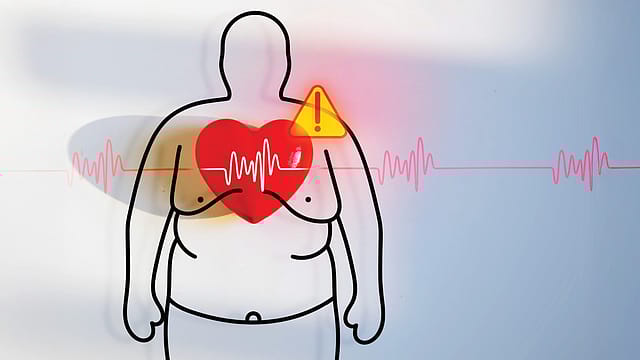
Obesity is rising at an alarming pace in India and has emerged as a serious public health challenge, the Economic Survey 2026, tabled in Parliament on January 29, warned. The trend is being driven by unhealthy diets, sedentary lifestyles and a sharp rise in the consumption of ultra-processed foods (UPFs), significantly increasing the risk of non-communicable diseases (NCDs) such as diabetes, heart disease, and hypertension.
According to the Survey, UPFs are rapidly displacing traditional diets, worsening overall nutrition, and contributing to several chronic illnesses. It stressed that dietary reform must be treated as a public health priority.
NFHS flags rising adult and childhood obesity
According to the National Family Health Survey (NFHS) 2019–21, nearly one in four Indian adults is overweight or obese, with 24% of women and 23% of men affected. Childhood obesity has also risen sharply, with the share of overweight children under five increasing from 2.1% in 2015–16 to 3.4% in 2019–21.
The World Obesity Federation ranks India as the world’s third most obese country after the US and China. Over the past decade, obesity levels in India have nearly tripled, cutting across both urban and rural areas.
Survey shows obesity widespread
A nationwide LocalCircles survey, conducted across 319 districts with over 50,000 respondents, found that 76% of Indians have at least one obese person in their close network of family, friends or colleagues while 42% reported four or more such individuals. As per the findings, 3 in 4 Indians surveyed have one or more individuals in their close network who is obese.
Among those surveyed, 56% said obese individuals in their close circles also suffer from lifestyle diseases such as diabetes, hypertension or fatty liver. Nearly two-thirds attributed obesity to sedentary lifestyles, lack of exercise, and fatty or ultra-processed diets.
Govt pushes multi-pronged response
Recognising obesity as a critical health concern, the government has adopted a holistic strategy combining nutrition, physical activity, food safety, and lifestyle changes. Key initiatives include POSHAN Abhiyaan and Poshan 2.0, the Fit India Movement, Khelo India, Eat Right India, and the awareness campaign ‘Aaj Se Thoda Kam’. The Food Safety and Standards Authority of India (FSSAI) has also launched the ‘Stop Obesity & Fight Obesity’ initiative.
Weight-loss drugs gain traction, experts urge caution
Even as obesity rates climb, demand for pharmaceutical weight management solutions has surged. Several weight-loss drugs entered the Indian market last year, including Novo Nordisk’s Wegovy (semaglutide), Eli Lilly’s Mounjaro (tirzepatide) and later Ozempic, widely known for its weight-loss effects.
Health experts, however, cautioned against indiscriminate use. They warned that prolonged very low-calorie intake could lead to fatigue, nutrient deficiencies, muscle loss, and rebound weight gain once medication is stopped. The drugs are also not recommended for pregnant or breastfeeding women and individuals with certain medical conditions.
Childhood obesity a growing concern
A study by the Indian Council of Medical Research estimates that 14.4 million children in India are obese. Poor diets, physical inactivity and increased consumption of processed foods are key drivers. Medical experts warn that childhood obesity can lead to long-term health issues, including diabetes, heart disease and mental health problems.
AIIMS has advised lifestyle-based interventions such as improved sleep and diet, regular physical activity, yoga and stress management to prevent complications.
Lifestyle change key, not medical shortcuts
Experts highlighted that India’s obesity challenge cannot be addressed through widespread reliance on weight-loss drugs or surgery. For most people, sustainable solutions lie in preventive lifestyle changes—balanced diets, regular exercise, and reduced intake of ultra-processed foods.
The findings underline the need for schools, workplaces, and communities to actively promote healthier routines, with citizens also expecting policy support, including tax incentives in Budget 2026, to encourage healthier living and prevent obesity-related diseases.