
India-U.S. trade talks hit plateau, more give and take may be difficult: FM Sitharaman
ADVERTISEMENT
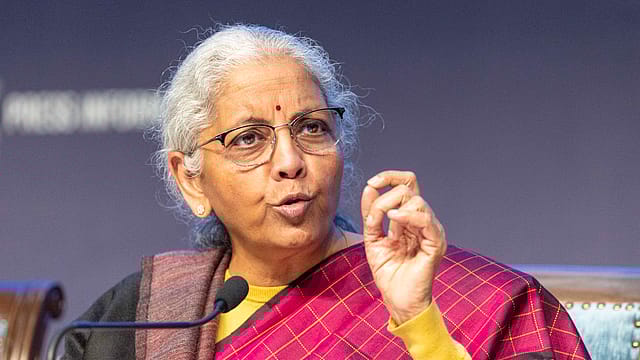
Finance Minister Nirmala Sitharaman today said trade negotiations between India and the U.S. have reached a plateau and any further give and take may not be possible. She said if there is any “room to operate”, both sides would do it.
Sitharaman said tariffs today have become weaponised, rather than being instruments of trade negotiations earlier. She also pointed out that trade talks cannot be done only from the vantage point of plugging the deficit with the partner nations, obliquely referring to the U.S.’s repeated claims that trading partners have drawn undue benefits in trade with them.
“The U.S. agreement, which is yet to get finalised, has been a hard and a very rigorously negotiated agreement. The agreement negotiations are still ongoing, although we would like to believe both the sides have reached a plateau beyond which giving or taking might be very very difficult. But maybe, if there are rooms to operate from both sides would do it,” Sitharaman said at the Munich Leaders’ meeting in New Delhi
Sitharaman said the predominant feature of the India – U.S. trade relation is that trade balance is very much in our favour. “Naturally the deficit is on their side. Or the balance is going unfavourably for the U.S. So, they want to reduce that imbalance. And their desire would be to get as much as possible to make up for what they have lost in all these years,” she said.
What did the finance minister say on tariff weaponisation?
Sitharaman underlined that the trade deficit cannot be the vantage point for trade negotiations and would the U.S apply the same principle with China.
“Or, would India look at China. India’s trade imbalance with China since 2014 has been growing exponentially. So, when you are talking of trade and trade imbalance being the sole criteria to reduce the imbalance, to what extent beyond negotiation can you go. Negotiations used to be the only platform through which the countries could highlight the discrepancies, and the lopsidedness and the ways to correct them.
“And how would you correct it” By opening up demand and supply in each other’s country. That was how negotiations went. Now, the imbalance is being sought to be addressed through other means. Tariff has become weaponised. Tariff was an instrument of negotiation, and it had a certain framework in which one would apply it. Today, the framework is there, but the tariffs are away. So, I can also take the same position with China, because it is so lopsided. But no, one has to talk it out and negotiate,” Sitharaman said.
On India’s trade negotiation play book, Sitharaman said, “In the current reality, one is tailoring the agreements to keep the national interest alive and to survive in a very challenging environment where no WTO related laws have been left to be respected. Everyone has broken the law here and there.”