
U.S. solar duties unlikely to dent India’s domestic renewables momentum, says former ISA chief Ajay Mathur
ADVERTISEMENT
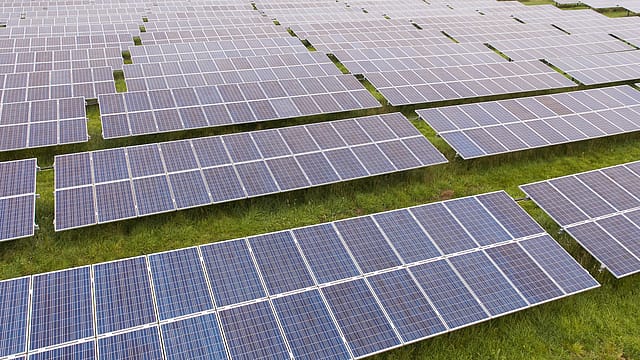
Domestic demand growth in India, spanning solar, green hydrogen and energy efficiency, is likely to remain resilient despite U.S. trade barriers, even as United States moves to impose steep preliminary countervailing duties of nearly 126% on solar imports from India.
Ajay Mathur, Professor of Practice at the Indian Institute of Technology Delhi and former Director General of the International Solar Alliance, said the U.S. decision reflects a shift in American industrial strategy rather than a direct setback to India’s renewable ambitions.
“One of the things we had worried about was that we have a small solar cell manufacturing capacity and we were selling some of those cells to the U.S.,” Mathur said. “But we export a relatively small amount. Most of it is used within the country,” he added.
In an overnight move, the United States Department of Commerce imposed preliminary countervailing duties of 125.87% on solar imports from India, citing alleged government subsidies that enable Indian manufacturers to undercut American producers.
Although the duties are preliminary, they take immediate effect, with U.S. Customs requiring importers to post cash deposits on new shipments. Analysts warn such elevated rates could effectively price Indian exporters out of the U.S. market in the near term.
The development comes weeks after India and the United States agreed on a broad trade framework aimed at lowering tariffs on Indian exports to around 18%, from nearly 50% earlier.
Mathur said the move is widely seen as an effort to curb foreign solar imports and incentivise domestic manufacturing in the U.S., aligning with a broader political view that prioritises fossil fuels over renewables.
“There is also a view that solar and wind are not serious energy providers and have been pushed because of climate change,” he said. “By stopping the flow of solar cells from other countries, what Mr. Trump is doing is trying to encourage manufacturing in the U.S.”
However, he cautioned that such protectionist measures could create distortions. “This destabilises the earlier equilibrium in global trade. Earlier, opportunities were based largely on technological and business process efficiency. Now tariff differences create artificial opportunities,” he noted.
On India’s outlook, Mathur remained confident that domestic clean energy momentum would stay intact. “Everything that you see being put up for rooftop solar has to be manufactured in India. That growth will continue,” he said. “As this continues, we will also see development and innovation in these cells.”
He stressed that climate change, rather than geopolitics, remains the stronger driver of long-term innovation. “Climate change pushes innovation. When countries look for energy efficiency, solar or green hydrogen, they do so because of climate imperatives,” he said.
Highlighting grassroots innovation, Mathur pointed to emerging rural business models powered by renewables. “I know at least 10 people who have become entrepreneurs in rural areas by setting up solar-powered cold storage,” he said. “They chill water during the day using solar power and sell cold room space to farmers at night. That represents what the future looks like.”
On India–U.S. trade ties, he described the tariff decision as primarily a domestic U.S. issue. “It may have some impact on ongoing trade negotiations, but you also have to balance it against the advantages we are getting in the trade deal,” he said. “Given that the total volume is small, we can afford to overlook this and move on to other areas.”
He added that Indian companies with manufacturing facilities in the U.S. would not be directly affected. “If you have a plant in the U.S., you won’t be affected. It’s only exports of solar cells made in other countries that draw this penalty,” he said.