
Nifty Auto declines 2.2% amid duty cuts on European imports; M&M shares fall 5%
ADVERTISEMENT
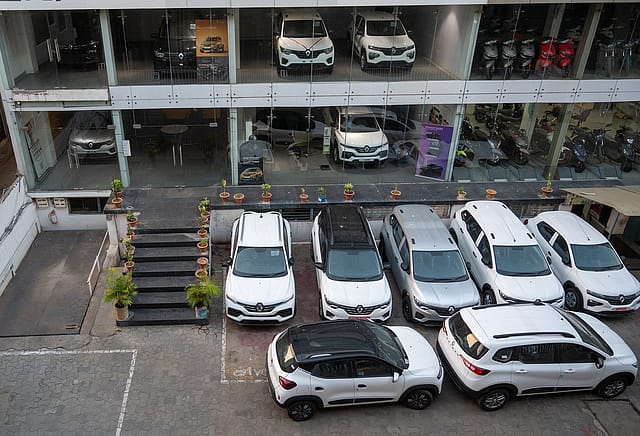
Shares of Indian automakers slid by as much as 5% in today's trade after a Reuters report said New Delhi is preparing to cut tariffs on European car imports under a proposed trade agreement.
Mahindra & Mahindra was the worst hit, with its stock dropping as much as 5.1% to its lowest level since August 2025, dragging the Nifty Auto index down 2.2%.
Tata Motors Passenger Vehicle Limited fell by 1.5%, whereas Maruti Suzuki's shares fell by nearly 2% in early hours of trade.
Even Korean manufacturer, Hyundai Motor, which is listed on the Indian bourses fell by 3.34%.
Meanwhile, Sona BLW Precision Forgings, Eicher Motor and Samvardhana Motherson International were gainer on the Nifty Auto Index, with the latter rising as much as 4.56%.
What is the reason for this decline?
Under the proposed framework, India will lower import duties on a limited number of EU-made cars priced above €15,000 to 40% from current levels that go as high as 110%, the sources said. Over time, these duties are expected to be reduced further to 10%, easing access for European automakers including Volkswagen, Mercedes-Benz and BMW.
‘Mother of all deals’ to boost bilateral trade
The agreement, described by officials as the “mother of all deals,” aims to significantly expand bilateral trade. It comes at a critical time for India, as key export sectors such as textiles and jewellery have been hit by steep U.S. tariffs in recent months.
India’s highly protected auto market
India currently levies import duties of 70% to 110% on fully built cars, a policy that has long drawn criticism from global auto executives. As part of the negotiations, New Delhi has proposed an immediate duty cut for up to 200,000 petrol and diesel vehicles annually, though the final quota could still change.
Electric vehicles excluded in initial phase
Battery Electric Vehicles (BEVs) will be excluded from the lower tariffs for the first five years, the sources said, as the government seeks to protect investments by domestic manufacturers such as Tata Motors and Mahindra & Mahindra. After this transition period, EVs are expected to follow a similar duty-reduction path.