
Oil prices hit one-month high as Trump reinstates Iran blockade, Hormuz tensions escalate
ADVERTISEMENT
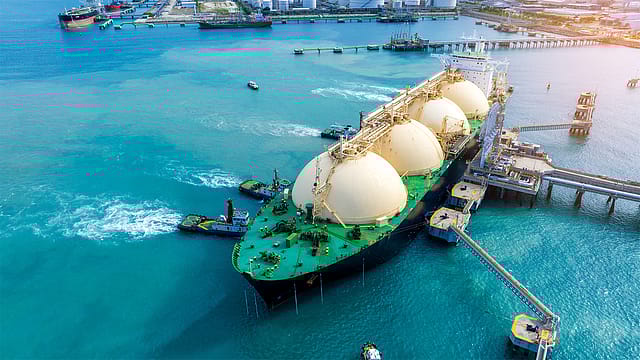
Global oil prices climbed to their highest level in a month on Tuesday after US President Donald Trump announced the reinstatement of a blockade on Iranian shipping in the Strait of Hormuz, raising concerns over potential disruptions to one of the world's busiest energy transit routes.
Brent crude futures rose 2% to $84.98 a barrel, while US West Texas Intermediate (WTI) crude gained 2.1% to $79.79 a barrel in early trade. The rally came after Brent had surged 9.6% in the previous session, marking its biggest single-day gain since May 2020.
The latest gains pushed oil prices to their highest levels since the US and Iran signed a memorandum of understanding on June 17 aimed at ending hostilities, as investors priced in renewed geopolitical risks in West Asia.
The sharp move followed Trump's announcement that the US was "reinstating" its blockade on Iranian shipping through the Strait of Hormuz. In a post on social media, Trump said Iranian vessels and their customers would no longer be allowed to transit the strategic waterway, while ships from other countries would continue to enjoy unrestricted passage.
Trump also said the US would impose a 20% toll on eligible cargoes passing through the strait, with the proceeds intended to cover the costs of securing the vital shipping lane.
The announcement came as military tensions intensified in the region. US Central Command said it carried out a third consecutive night of strikes on Iranian targets, while Iranian media reported multiple explosions in the southern port city of Bandar Abbas and on Kish Island.
Adding to supply concerns, two United Arab Emirates tankers were struck by Iranian cruise missiles in Omani waters on Monday. The attack killed one Indian crew member and injured eight others, according to the UAE Ministry of Defence.
The Strait of Hormuz is one of the world's most critical energy chokepoints, handling roughly one-fifth of global oil and gas shipments before the conflict escalated earlier this year. Any disruption to traffic through the route is closely watched by energy markets due to its potential impact on global crude supplies.
Regional tensions widened further after Yemen's Houthi movement launched missiles towards Saudi Arabia, accusing Riyadh of attacking an airport under its control.