
Yes Bank shares slide nearly 13% after Supreme Court rejects challenge to AT1 bond write-off ruling
ADVERTISEMENT
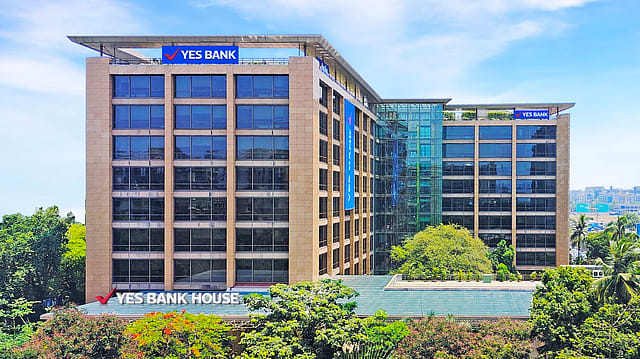
Yes Bank shares fell nearly 13% in intraday trade on Thursday after the Supreme Court upheld the Bombay High Court's decision to quash the lender's ₹8,415-crore Additional Tier 1 (AT1) bond write-off, raising questions over the financial implications of the ruling for the bank.
The stock dropped 12.88% to ₹18.47 on the NSE at 2:50 pm, down ₹2.73 from its previous close of ₹21.20. It touched an intraday low of ₹18.33, taking it close to its 52-week low of ₹17.20.
The sharp decline came after the Supreme Court dismissed appeals against the Bombay High Court's January 2023 judgment, which had set aside the write-off of the bonds during Yes Bank's restructuring in March 2020. The court held that the administrator did not have the authority to write down the bonds without specific provision in the final reconstruction scheme and that the decision did not comply with the applicable RBI circular and bond terms.
₹8,415-crore bond dispute back in focus
The dispute dates back to March 2020, when the Reserve Bank of India placed Yes Bank under a moratorium following a deterioration in its financial position. The bank was subsequently restructured under a scheme that brought in new investors.
As part of the process, Yes Bank's outstanding AT1 bonds worth ₹8,415 crore were written down to zero. The decision was challenged by Axis Trustee Services, which represented debenture holders, along with individual bondholders and other investors.
The Bombay High Court had ruled that the write-off provision included in the draft reconstruction scheme was omitted from the final scheme approved by the government. It also held that Yes Bank had been reconstituted on March 13, 2020, and the administrator could not take the decision to write off the bonds a day later.
Financial impact on Yes Bank in focus
The immediate question for investors is how the verdict will affect Yes Bank's financial position and the status of the written-off bonds.
In its earlier disclosures, Yes Bank had said any financial impact arising from the Supreme Court's decision would be accounted for in future reporting periods. The bank had also said it did not expect a material liability, maintaining that the write-off was carried out in accordance with contractual terms and regulatory provisions.
The ruling could have implications for the treatment of AT1 bonds, which are designed to absorb losses when banks face financial stress.