
Gold rebounds from 14-month lows, but Fed rate fears and Trump’s tariff threats cloud recovery
ADVERTISEMENT
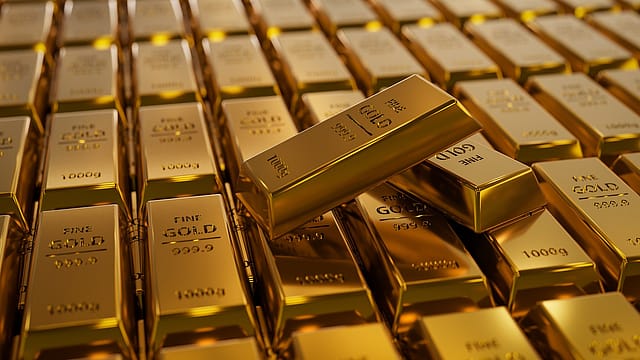
Gold prices have rebounded from recent 14-month lows, supported by bargain hunting, a retreat in the US dollar and sustained buying interest from China. However, the recovery remains fragile as expectations of further monetary tightening by the US Federal Reserve, uncertainty over inflation and fresh trade tensions threaten to cap bullion's upside.
The yellow metal is caught between two opposing forces. While a weaker dollar and continued buying interest are lending support to prices, concerns over the resilience of the US economy and the possibility of higher interest rates are limiting gains.
Manav Modi, Commodities Analyst at Motilal Oswal Financial Services Ltd., said gold's recovery was supported by bargain hunting and improved investor sentiment following Nvidia's reinstatement of Jensen Huang as CEO. The development initially revived optimism around artificial intelligence (AI) investments and triggered a broader market rebound.
But what are the factors that will determine gold's next move?
Why is gold recovering from its recent lows?
The recent decline in gold prices has encouraged investors to return to the market and buy bullion at relatively lower levels. This bargain hunting has helped prices recover from their recent 14-month lows.
The US dollar's retreat has also supported the recovery. Since gold is denominated in dollars, a weaker greenback makes the metal relatively cheaper for investors holding other currencies, potentially improving demand.
Buying interest in China has provided another source of support. The country's gold imports have reportedly reached a record $209 billion this year, highlighting continued appetite for the precious metal. However, Modi cautioned that the recovery remains vulnerable to changes in interest-rate expectations and inflation dynamics.
Will stronger US consumer confidence hurt gold prices?
The latest US consumer confidence index surged to 103.3 in November, its highest level in nearly two years, supported by improving labour-market optimism and easing inflation expectations.
While stronger consumer confidence signals resilience in the world's largest economy, it could complicate the outlook for monetary easing. A stronger economy may allow the Federal Reserve to maintain a tighter monetary policy for longer, particularly if inflation remains elevated. This is significant for gold because the metal does not generate interest income. When interest rates rise or are expected to remain elevated, interest-bearing assets become relatively more attractive, increasing the opportunity cost of holding bullion. Consequently, expectations of further Fed tightening could cap gold's recovery.
Will Trump's tariff threats increase demand for gold?
US President Donald Trump is reportedly considering sweeping new tariffs on China, the European Union and 14 other economies, with India, China, and Vietnam potentially facing higher rates.
The prospect of fresh trade barriers has renewed concerns about global economic growth and disrupted investor sentiment. The announcement triggered selling in technology stocks, with Nasdaq futures falling around 2.5%.
Trade uncertainty can support gold by increasing demand for safe-haven assets. However, the impact is not always straightforward. A stronger dollar or expectations of higher US interest rates could offset gold's safe-haven appeal.
What should investors watch next?
The immediate focus is on upcoming US inflation data and signals from the Federal Reserve. These will help investors assess whether inflationary pressures are easing sufficiently for the central bank to consider monetary easing or whether interest rates may remain elevated for longer.
The dollar's movement, Chinese gold demand, and developments on the global trade front will also influence bullion prices. For now, gold is navigating competing forces: bargain buying, central-bank policy uncertainty, currency movements. and geopolitical risks. While the recovery from recent lows indicates renewed buying interest, its sustainability will depend largely on inflation trends and the Federal Reserve's next policy signals.