
India's data centre pipeline could create demand for 195 million sq. ft of housing by 2030: Square Yards
ADVERTISEMENT
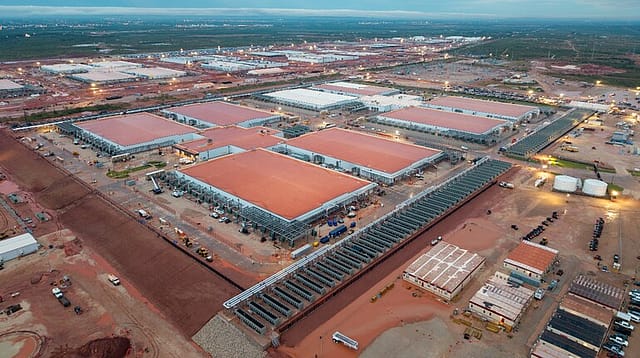
India's rapidly expanding data centre ecosystem could emerge as a major catalyst for residential real estate demand over the next few years, with the country's proposed data centre pipeline expected to create demand for more than 195 million sq ft of housing by 2030, according to a report by proptech platform Square Yards.
The report estimates that the proposed 9,030 MW data centre pipeline has the potential to generate nearly 4.33 lakh ecosystem jobs, creating demand for residential developments as investments in digital infrastructure trigger wider economic activity. Unlike conventional commercial projects, data centres are expected to drive investments in power infrastructure, fibre connectivity, logistics and ancillary services, gradually transforming surrounding regions into new urban growth corridors.
Digital infrastructure emerges as a new real estate driver
The report notes that India currently generates nearly 20% of the world's digital data but accounts for only 4% of global data centre capacity, underscoring significant room for expansion. As investments in artificial intelligence, cloud computing and enterprise digitisation accelerate, the country's data centre footprint is expected to expand rapidly, creating fresh opportunities for infrastructure-led residential development.
Commenting on the findings, Vivek Agarwal, Co-Founder and Chief Technology Officer at Square Yards, said data centres represent the next phase of India's infrastructure-led urbanisation. While the facilities themselves employ relatively few people, he said, they attract investments in power, fibre connectivity and logistics, creating the ecosystem that encourages residential and commercial development around emerging digital corridors.
'Golden Ring' around data centres to drive housing demand
According to the report, the strongest residential impact is likely to be felt not within data centre campuses but in a 5-15 km "Golden Ring" around them. These surrounding areas are expected to witness the development of residential townships, mixed-use projects, retail hubs and civic infrastructure as supporting ecosystems mature.
Among states, Maharashtra is projected to generate over 54 million sq ft of residential demand, followed by Karnataka (nearly 28 million sq ft), Andhra Pradesh (over 23 million sq ft), Uttar Pradesh (about 22.7 million sq ft), Telangana (21.6 million sq ft) and Tamil Nadu (19.4 million sq ft). Emerging locations such as Visakhapatnam, Noida and GIFT City are also expected to benefit as digital infrastructure investments gather pace.
Tier-II and Tier-III cities may also benefit
Sunita Mishra, Vice President – Research & Insights at Square Yards, said housing demand has historically followed employment opportunities, and data centres are likely to become a defining force in shaping future residential development. She added that the benefits of this investment cycle are unlikely to remain confined to metro cities, with Tier-II and Tier-III locations also expected to witness sustained growth as digital infrastructure expands.