
Tata Sons chair N. Chandrasekaran defends nation-building bets against pressure for quicker returns
ADVERTISEMENT
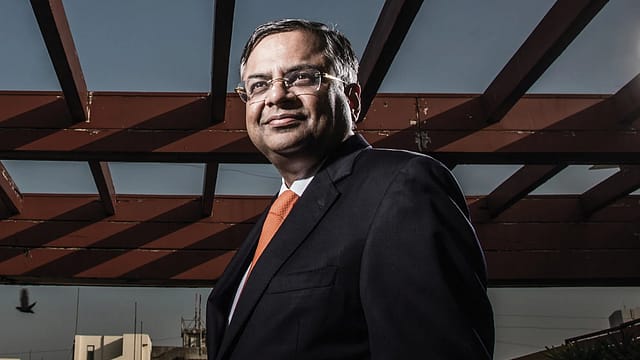
Tata Sons Chairman N. Chandrasekaran on Tuesday defended the Tata Group’s long-term investment strategy amid a boardroom tussle over capital allocation, saying projects critical to India’s future cannot be judged solely by the returns they generate over the next two to three years.
Speaking at the Bloomberg New Economy Forum in New Delhi, Chandrasekaran said the group would continue building businesses and capabilities that India and the world need, including semiconductor manufacturing, even when such investments take time to deliver results.
“Direction is certain, need is certain, ability to execute is certain,” he said, while cautioning that investment decisions must be guided by demand and financial viability. “We can’t be reckless,” he added.
His remarks come amid differences between Chandrasekaran and Tata Trusts Chairman Noel Tata over capital allocation and the pace at which investments should generate returns. Tata Trusts owns about 66% of Tata Sons, the holding company of the nearly 160-year-old conglomerate.
Capital allocation at the heart of Tata dispute
The disagreement has come into sharper focus following the Tata Sons board’s decision in September to reappoint Chandrasekaran for a five-year term, despite his earlier indication that he would not seek another term when his existing tenure ends in February 2027.
Noel Tata, one of the two Tata Trusts nominees on the Tata Sons board, voted against the reappointment. Tata Trusts subsequently questioned its legality, citing a legal opinion, while Tata Sons has disputed that position, setting the stage for a potential legal battle over the group’s leadership.
Chandrasekaran’s comments underline the competing considerations confronting the conglomerate: investing for long-term growth while maintaining financial discipline and meeting shareholder expectations on returns.
He said the past decisions had been vindicated over the long term, adding that businesses must correct course when things go wrong. He also stressed the importance of monitoring the balance sheet and assessing demand before committing capital.
“You need to feel the stones and cross the river. It is not that you are going to have a very clean spreadsheet in this uncertain world,” he said, describing the challenges of evaluating investments amid uncertainty.
Semiconductor investments illustrate the dilemma
The Tata Group’s semiconductor plans are among its major long-term bets. Tata Electronics is setting up a fabrication plant at Dholera in Gujarat with an investment of around ₹91,000 crore, in partnership with Taiwan’s Powerchip Semiconductor Manufacturing Corporation. It is also developing an assembly and testing facility in Assam involving around ₹27,000 crore.
Chandrasekaran said semiconductors would be fundamental to India’s future, citing the country’s talent pool, domestic market and potential to participate in global supply chains. However, he cautioned against pursuing advanced chipmaking technologies without adequate demand or a commercially viable business case.
The broader challenge, his remarks suggest, is to balance the group’s ambitions in strategic industries with the need for sustainable returns and disciplined capital allocation.