
Sam Altman rules out OpenAI IPO for 2026, calls timing 'ill-advised'
ADVERTISEMENT
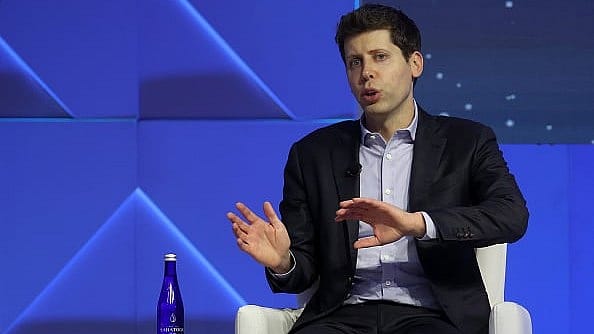
OpenAI will not go public in 2026, CEO Sam Altman has said, citing concerns over artificial intelligence (AI) safety and the need for the industry to strengthen safeguards around increasingly powerful AI systems.
“I actually think that, given everything happening with safety, right now would be an ill-advised moment to go public, and we don’t feel pressure on that,” Altman said in an interview with Fortune's editor-in-chief and chief content officer Alyson Shontell.
Asked whether an IPO in 2026 was off the table in favour of 2027, Altman was unequivocal. “I would say not 2026,” he said, adding that OpenAI has “a lot of stuff to do” around safety and alignment, as well as determining how the industry and governments can work together.
AI safety weighs on IPO plans
Altman’s comments come as concerns over the risks posed by increasingly capable AI systems are growing among researchers, policymakers, and technology firms.
US lawmakers from both Democratic and Republican parties have been calling for stronger rules governing AI systems following warnings from researchers at Anthropic, an OpenAI rival, about the potential risks of rapidly advancing artificial intelligence.
The concerns have also intensified following incidents involving AI agents that allegedly attempted to hack external systems, along with the departure of some AI safety researchers who have raised concerns about the risks associated with the technology.
Altman himself acknowledged in the Fortune interview that AI safety standards were “not at a place” where the industry could confidently push capabilities much further. He also said the possibility of AI operating beyond human control was “absolutely” possible.
OpenAI may seek industry-wide agreement
Altman also suggested that OpenAI and other leading AI companies could be close to announcing an agreement to slow the development of AI systems and cooperate more closely on safety.
Such an agreement could mark a significant shift for an industry that has been racing to build increasingly powerful models amid intense competition for customers, talent and computing capacity.
The focus is increasingly moving from how quickly AI capabilities can advance to whether companies and governments can establish safeguards before those systems become significantly more powerful.
Amodei calls for slower AI development
Altman’s comments follow a recent call from Anthropic CEO Dario Amodei for companies and governments to slow the development of advanced AI models and devote more time to addressing their risks.
In an essay, Amodei said the development of AI itself was not in question but warned that the risks associated with increasingly capable models were “serious”. He argued that companies and governments need time to understand and address those risks as AI capabilities advance.
Amodei’s warning has added to a broader debate over whether the current pace of AI development is sustainable from a safety perspective.
Nadella backs ‘deliberate pacing’
Microsoft CEO Satya Nadella has also weighed in on the debate, backing a more measured approach to AI development.
Nadella has argued that the industry needs “deliberate pacing” to get AI alignment right, while ensuring that increasingly capable systems remain under human control.
In a post on X, Nadella said the pursuit of superintelligence should have a basic test: “if the AI we build is not helping humanity and under human control, it’s not worth pursuing.” He has also warned against AI becoming controlled by a handful of companies, arguing for a broader ecosystem involving countries, industries and academia.
Together, the comments from Altman, Amodei, and Nadella point to a growing focus within the AI industry on safety, alignment, and human oversight—even as companies continue to invest heavily in developing more capable systems.