
‘We need to get back to the spirit that defined us’, says Nothing CEO Carl Pei
ADVERTISEMENT
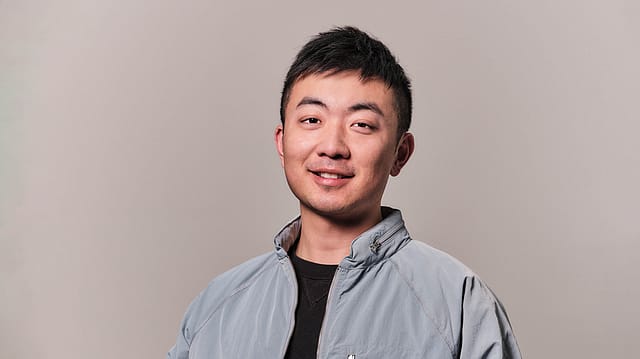
Nothing CEO Carl Pei has acknowledged that the company may have drifted from what originally made it distinctive, telling users that he wants Nothing to return to the “spirit” that defined its early Phone (1) era.
Pei made the comments during an 'ask me anything', or AMA on Reddit’s r/NothingTech, where he responded directly to questions from Nothing users about the company’s product strategy, design, AI ambitions, rising memory costs and the future of its CMF brand. The session took place on September 4 and drew hundreds of comments from the company’s community.
The responses offer an unusually candid look at how Pei sees Nothing’s evolution, and some of the mistakes he believes the company has made along the way.
‘We need to get back to the spirit that defined us’
One of the most revealing exchanges came from a longtime Nothing user who said they had been an early adopter of the Phone (1), but had switched to Samsung after being disappointed with the Phone (3). The user said the original phone had “personality” because of features such as the Glyph interface and distinctive sounds, and questioned whether Nothing was becoming too similar to the companies it had originally tried to differentiate itself from.
Pei’s response was brief but telling. “I recently told the team that we need to get back to the spirit that defined us in the Phone (1) era. I think we can.”
The comment comes as Nothing’s hardware design has evolved significantly from the Phone (1). The original device made the transparent rear panel and full Glyph lighting system central to its identity, while newer devices have taken a more conventional approach to hardware design. PhoneArena also highlighted the Glyph’s reduced footprint on newer models as one of the key issues raised during the AMA.
Nothing CEO admits it has been ‘strategically lazy’
Pei was also asked about Nothing’s rapid expansion into multiple product categories and whether entering so many new segments had been the right strategy. His answer was unusually self-critical. “At times, we’ve been strategically lazy, while working hard on tactical matters,” Pei said.
“Less but better is certainly desired, but only works if you hit the bullseye with higher certainty," he added.
He then reduced the problem to two questions that he said the company needs to ask when considering its products and strategy, 'Who is it for, and what is the benefit?'
Learning to be a CEO was the hardest part
Pei also reflected on his own leadership during the AMA. Asked what had been the most challenging part of the past year, he said, “Learning to be a CEO has been the hardest part.” He said he started out as a young founder with a lot of passion and initially did the things he found interesting, while sometimes avoiding conflict and difficult decisions. “Over time that caught up with us,” he said, adding that the company had lacked accountability, making it “slower and more bureaucratic than a startup should be.”
“This past year forced me to confront that and change how I lead,” Pei said. “I’m still learning, but a more accountable Nothing is one that can innovate faster and really put a dent in the market," he added.
Memory prices are putting pressure on Nothing
The AMA also touched on a much more immediate problem facing the company: rising memory prices. Asked how severely the so-called “RAMaggedon” was affecting Nothing, Pei said supply chain, financing and cash-flow management were now “very top of mind”.
“It really sucks that we have to increase the prices of our phones so much, especially since a lot of our users are young and don’t yet have a lot of money,” he said.
The comments highlight the difficulty for a relatively young smartphone company competing against much larger manufacturers. Higher component costs can either be absorbed, putting pressure on margins, or passed on to consumers, potentially weakening the value proposition that helped Nothing gain traction.
Pei also said the memory situation was affecting plans around the CMF range. Asked whether another CMF phone was coming, he said, “The CMF series was pretty popular and we’re thinking of ways to bring it back. The memory situation is such a headache to deal with.”
Pei is excited about AI, but sees risks
AI was another major theme during the AMA. Asked about the next evolution of AI and how it could affect Nothing, Pei said he was “genuinely torn”. On one hand, he said he was “really excited about AI” and believed it would accelerate what people could achieve “both as a species and as individuals”.
But Pei also raised concerns about how companies are deploying the technology. “Companies using AI to replace people rather than empowering them to be more,” was one of the problems he identified. He also pointed to the environmental and social impact of data centres and said he believed the stock market was currently “in a bubble”.
Despite those concerns, Pei said Nothing was exploring how AI could ultimately be used to make people “better, smarter, and more creative”.