43% buyers may delay vehicle purchases over E20, E30 fuel concerns; only 6% plan to buy new petrol vehicles: Survey
/ 2 min read
LocalCircles survey of over 28,000 prospective buyers finds fuel-policy uncertainty is beginning to influence vehicle purchase decisions despite record automobile sales.
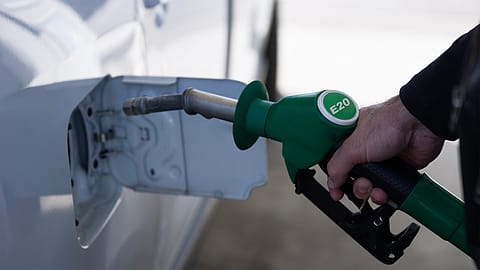
The survey, which received responses from 28,388 prospective buyers across 311 districts, asked consumers what type of vehicle they were likely to purchase in the next 12 months given the rollout of E20 petrol and the announced migration towards E30 fuel blends | Credits: Shutterstock
India's automobile market continues to clock record numbers, but concerns around ethanol-blended fuels may be emerging as a fresh challenge for future demand. A survey by community social media platform LocalCircles has found that 43% of prospective vehicle buyers may defer or avoid purchasing a vehicle over the next 12 months due to uncertainty surrounding E20 petrol and the government's proposed transition to E30 fuel.
The findings come at a time when vehicle retail sales touched an all-time high of 25.31 lakh units in May 2026, up 9.55% year-on-year, according to Federation of Automobile Dealers Associations (FADA) data. Passenger vehicle registrations also crossed the 4 lakh mark for the first time in a single month.
Fuel concerns reshape purchase intent
The survey, which gathered responses from 28,388 prospective buyers across 311 districts, found that 43% of respondents were not planning to buy a new vehicle because they were unsure about future fuel compatibility and operating costs. Another 30% said they had no immediate requirement for a vehicle.
Only 6% of respondents said they planned to buy a new petrol vehicle in the next 12 months, while 7% each indicated a preference for a new electric vehicle (EV) and a hybrid vehicle. Another 3% planned to buy a new diesel vehicle.
According to LocalCircles, the findings suggest that fuel-policy uncertainty has moved beyond being a vehicle ownership issue and is increasingly influencing purchase decisions.
EVs, hybrids gain ground
The survey points to a growing tilt towards alternative powertrains. Combined purchase intent for EVs and hybrids stood at 14%, more than double the proportion of respondents planning to buy a new petrol vehicle.
The trend mirrors broader market developments. EVs accounted for more than 11% of total vehicle retail sales in May 2026, while electric cars recorded a 7% share of passenger vehicle sales. EV sales crossed 24.5 lakh units in FY26, growing 25% year-on-year, while hybrid vehicle sales more than doubled during the first quarter of the fiscal year.
Mileage, maintenance worries persist
Consumer hesitation appears linked to experiences reported by existing vehicle owners. A separate LocalCircles survey involving more than 50,000 respondents found that five in 10 petrol vehicle owners reported a decline of over 10% in fuel efficiency after the E20 rollout. In addition, three in 10 respondents reported higher wear and tear or increased maintenance requirements.
With the government evaluating higher ethanol blends and their impact on vehicles, the survey suggests that clarity on fuel-roadmap timelines, vehicle compatibility and real-world performance could play an important role in restoring consumer confidence and supporting future vehicle demand.
NEXT STORY