53% of petrol vehicle owners rate E20 rollout ineffective as concerns over mileage, repair costs grow: Survey
LocalCircles survey of over 22,500 respondents finds two-thirds of pre-2023 vehicle owners reporting over 10% drop in fuel efficiency, while nearly one in three seek a return of E0/E10 petrol options.
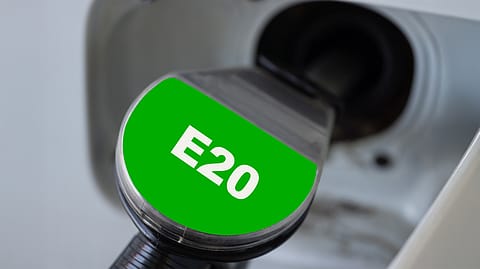
A majority of petrol vehicle owners remain dissatisfied with the government's rollout of E20 petrol, with 53% describing the Road Transport and Highways Ministry and the Ministry of Petroleum and Natural Gas' handling of the transition as either "disastrous" or "ineffective", according to a LocalCircles survey.
The findings highlight growing concerns over fuel efficiency, vehicle maintenance and the absence of lower ethanol-blended fuel options for older vehicles.
The nationwide survey, which covered 22,567 petrol vehicle owners across 316 districts, found that only 13% of respondents viewed the rollout positively, while 19% rated it as average. Negative ratings outnumbered positive ones by nearly four to one, indicating a widening disconnect between the government's messaging and the experience of vehicle owners on the ground.
Older vehicles bear the brunt
The survey points to operational challenges faced by owners of vehicles manufactured before 2023, many of which were originally designed for lower ethanol blends. Around 66% of these respondents reported a decline of more than 10% in mileage after switching to E20 petrol, while 45% said they had experienced moderate to significant increases in vehicle wear and tear or repair requirements. In addition, 31% said they would prefer the option of purchasing E0 or E10 petrol, even at a higher price.
The findings come despite the Centre maintaining that the impact of E20 fuel on mileage is limited. The government has also introduced a higher Research Octane Number (RON 95) specification for E20 petrol from April 2026 and notified standards for higher ethanol blends as it continues to pursue its ethanol blending roadmap.
Transition costs emerge as key concern
While the ethanol blending programme has delivered significant macroeconomic gains—including higher farmer incomes and lower crude oil imports—the survey suggests that many consumers believe the transition costs have disproportionately fallen on owners of older petrol vehicles. According to the report, retrofitting older vehicles to improve compatibility with E20 could cost about ₹5,000 for a two-wheeler and ₹10,000 for a passenger car, raising concerns over affordability.
The report argues that policymakers should reassess the implementation strategy by prioritising fuel efficiency alongside environmental and energy security goals. It also recommends considering the availability of E0 or E10 petrol for legacy vehicles if higher-octane E20 fuel fails to address consumer concerns, as demand for lower ethanol blends continues to grow among existing petrol vehicle owners.