Apple may not be able to avoid price hikes as chip costs rise, says Tim Cook
CEO Tim Cook warns Apple can no longer fully absorb soaring memory chip costs, saying price hikes on iPhones, Macs and iPads are becoming unavoidable as AI-driven demand tightens supply.
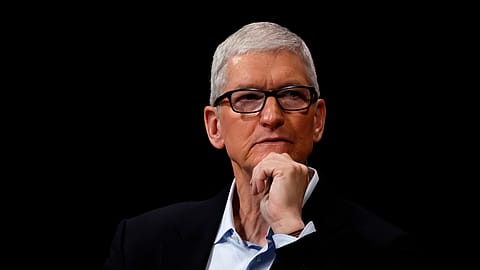
Apple could increase prices of some of its products as the cost of memory chips continues to rise, according to outgoing CEO Tim Cook. In an interview with The Wall Street Journal, Cook said Apple has so far absorbed the higher costs being charged by suppliers, but doing that is becoming increasingly difficult.
“Unfortunately, price increases are unavoidable,” Cook said. “We're doing our best to mitigate the huge increases that are being passed to us, and we've been trying to shield our customers from the increases, but the situation has become unsustainable.”
According to Cook, the growing demand has tightened supply and pushed prices higher. “There’s less supply at a time when consumers want devices and the memory guys are passing along huge price increases,” he said. “We definitely need memory pricing and supply to return to reasonable levels for consumer products.”
Apple has not announced any changes to the prices of its products, nor has it said when any increase could take place. Cook also did not specify which devices could be affected. The issue centres on memory chips used in devices such as iPhones, Macs and iPads. Demand for these components has risen sharply as companies build more infrastructure to support artificial intelligence services.
Low-end phones to see drastic sales drop
According to Counterpoint Research, because of the memory chip shortage, the global smartphone market would face its steepest annual contraction, with shipments projected to slump by 13.9% this year to 1.08 billion units. “ This is a result of memory manufacturers focusing on producing high-value-added products due to the surge in demand for HBM for AI servers, causing the supply of general-purpose memory for low-end phones to be relegated to a relatively lower priority,” the research said.
The research firm also noted that the sales share of low-end smartphones is declining significantly, and the rate of decline is far exceeding the rate of contraction of the overall market. It also stated that brands like Samsung and Apple, with their premium portfolios, will experience relatively limited impact and are expected to benefit from some indirect effects.