ASSOCHAM welcomes Hormuz diplomatic breakthrough, sees lower crude prices boosting Indian economy
/ 2 min read
According to the chamber, the pact marks an important step towards easing geopolitical tensions in one of the world’s most critical energy transit routes and restoring stability to global oil markets.
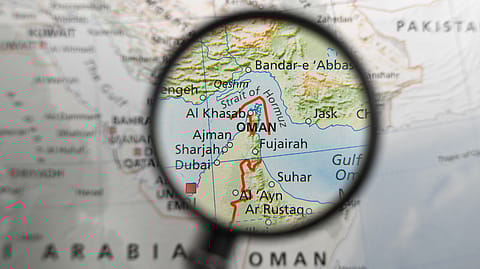
The Strait of Hormuz carries nearly one-fifth of global petroleum supplies and has remained a major source of geopolitical uncertainty and elevated energy prices in recent months. | Credits: Shutterstock
Industry body ASSOCHAM on Monday welcomed the agreement reached between the US and Iran in Switzerland to ensure safe commercial shipping through the Strait of Hormuz, saying the development could provide major economic benefits to India through softer global crude oil prices.
According to the chamber, the agreement marks an important step towards easing geopolitical tensions in one of the world’s most critical energy transit routes and restoring stability to global oil markets.
The Strait of Hormuz carries nearly one-fifth of global petroleum supplies and has remained a major source of geopolitical uncertainty and elevated energy prices in recent months.
Nirmal K. Minda, President of ASSOCHAM, said the diplomatic breakthrough and the resulting moderation in crude prices could have broad-based implications for the Indian economy. “This is an extremely positive development for India. As one of the world’s largest importers of crude oil, India stands to benefit significantly from any sustained reduction in global oil prices. Lower crude prices translate into lower input costs across virtually every sector of the economy, from manufacturing and logistics to agriculture and retail,” Minda said.
ASSOCHAM noted that crude oil imports remain a major contributor to India’s current account deficit and that softer oil prices could improve the country’s external balances.
Saurabh Sanyal, Secretary General of ASSOCHAM, said lower energy prices would reduce India’s import bill and strengthen the balance of payments position. “A sustained decline in oil prices will significantly lower the import bill, improve external sector stability and ease pressure on the Indian rupee,” Sanyal said.
He added that reduced foreign exchange demand for oil imports could support currency stability and strengthen investor sentiment in Indian financial markets.
Dr S. P. Sharma, Chief Economist at ASSOCHAM, said lower crude prices would help moderate inflation by reducing fuel and transportation costs across supply chains. He noted that easing inflationary pressures could also create additional fiscal space for the government, allowing savings from lower fuel-related expenditure to be redirected towards infrastructure development and social welfare initiatives.
ASSOCHAM urged Indian industry to utilise the current period of price moderation to accelerate capacity expansion, improve cost efficiencies and enhance export competitiveness. The chamber also called on the government to ensure that the benefits of lower crude prices are passed on to consumers and businesses in a timely and transparent manner.
ASSOCHAM said it would continue to monitor global developments and engage with policymakers to help maximise the potential economic gains for Indian industry from the evolving energy environment.
NEXT STORY