Explained: If E20 petrol damages your vehicle, will insurance cover the loss?
/ 2 min read
One in two owners of older petrol vehicles said they would prefer the option to return to E0 or E10 petrol, according to a report.
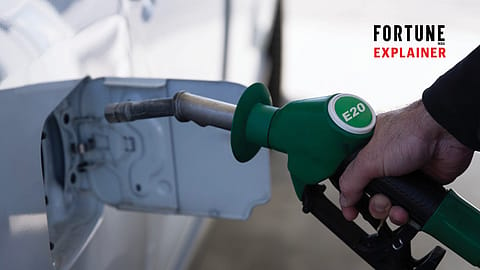
Many users are experiencing concerns around reduced mileage, higher maintenance costs, and changes in vehicle performance following the shift to E20, according to a survey.
India’s transition towards higher ethanol-blended petrol is creating a new concern for owners of older petrol vehicles. If E20 fuel causes damage to the engine or vehicle components, will insurance policies cover the cost?
For crores of Indian households, buying a car or two-wheeler is one of the largest financial decisions they make. Vehicles are often purchased after years of saving and protected through annual insurance premiums. But as fuel standards evolve, questions are emerging over how insurance companies may treat claims linked to fuel compatibility.
Why are vehicle owners concerned?
A recent LocalCircles survey of owners of petrol vehicles manufactured before 2023 found growing unease over the impact of E20 fuel—petrol blended with 20% ethanol.
The survey suggested that many users are experiencing concerns around reduced mileage, higher maintenance costs, and changes in vehicle performance following the shift to E20.
According to the findings, one in two owners of older petrol vehicles said they would prefer the option to return to E0 or E10 petrol. Respondents also cited lower fuel efficiency, rising repair bills, and issues affecting engine performance and vehicle components.
For many middle-class families, replacing an older vehicle is not a practical option. Cars and two-wheelers are long-term assets that owners expect to use for years.
What does vehicle insurance typically cover?
Ramkumar S, Partner at Grant Thornton Bharat, told Fortune India whether damage is covered depends largely on the type of insurance policy and the circumstances of the claim.
Vehicle insurance in India broadly falls into three categories:
1. Third-party liability insurance
This mandatory insurance covers damage or injury caused to a third party in an accident. It does not cover damage to the insured vehicle.
2. Standalone own damage insurance
{{#most-powerful-women-snapshot-individual.slug}} {{/most-powerful-women-snapshot-individual.slug}} {{^most-powerful-women-snapshot-individual.slug}} {{/most-powerful-women-snapshot-individual.slug}} {{#showRanking}} {{current-rank}} {{/showRanking}} {{#photo.0.url}}
{{name}}
This policy covers damage to the insured vehicle, typically arising from accidents and certain covered events.
3. Comprehensive car insurance
This combines third-party liability with wider protection, including accidental damage, fire, theft and losses arising from natural calamities.
Will insurance pay if E20 causes damage?
Insurance coverage for fuel-related damage is not automatic. According to Ramkumar, if an insurance policy includes specific conditions regarding the type of fuel that should be used, insurers may reject claims if the damage is linked to use outside prescribed guidelines.
Claims may be denied on grounds such as improper usage, negligence or non-compliance with manufacturer recommendations.
Insurers are also likely to examine:
Whether the vehicle manufacturer approved the use of ethanol-blended fuel for that model.
Whether policy terms mention fuel compatibility requirements.
Whether the damage can reasonably be linked to fuel use.
Service records and maintenance history of the vehicle.
What should vehicle owners do?
Owners of older petrol vehicles may consider checking their vehicle manual, confirming fuel compatibility with authorised service centres, and reviewing insurance policy terms before filing claims linked to fuel-related issues. As ethanol blending expands, the interaction between manufacturer guidance and insurance policy conditions could become increasingly important for vehicle owners.
NEXT STORY