HUL targets 22-24% EBITDA margin, raises capex ambition to 3% of turnover
/ 2 min read
FMCG major plans to lift capex from 2% to 3% of turnover as it targets premiumisation, market development and volume-led profit growth
Credits: HUL
Hindustan Unilever Ltd (HUL) is targeting an EBITDA margin of 22-24 per cent in the medium term while increasing capital expenditure to 3 per cent of turnover, as India’s largest FMCG company seeks to accelerate growth through premiumisation, productivity gains and investments in emerging consumption opportunities.
The FMCG major, which maintained capex at around 2 per cent of turnover over the past five years, plans to step up investments to “enable growth and productivity” and capture what it calls the “New India opportunity”. HUL reported revenue of ₹63,763 crore in FY26 and has 21 brands, including Surf Excel, Dove, Horlicks, Lifebuoy, Lakmé and Brooke Bond, each generating annual turnover of more than ₹1,000 crore.
HUL sees scope to expand margins
HUL’s EBITDA margin stood at 23.6 per cent in FY26, around 70 basis points lower than a year earlier. The company is now targeting volume-led profit growth while restructuring its portfolio towards higher-margin categories.
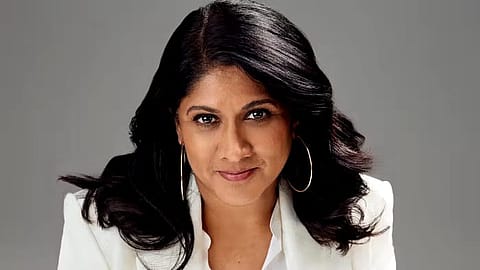
According to managing director and CEO Priya Nair’s presentation at Capital Markets Day 2026, HUL expects to unlock an incremental 500 basis points, equivalent to 5 per cent of total revenue, through a richer premium mix, operating leverage, a new multi-year cost-savings programme and AI-led media effectiveness.
The savings are expected to create additional headroom for investments in priority areas such as premiumisation and market development. HUL also plans to invest 20 per cent of incremental turnover in new spaces as part of its portfolio reshaping strategy.
Premiumisation, acquisitions to drive growth
Nair said HUL’s growth had been muted over the past two years amid a challenging operating environment, but the company had taken “decisive actions” over the last year to reset the business for stronger growth.
Underlying sales growth has improved across the past four reporting periods, rising sequentially from 3 per cent to 10 per cent, Nair said, highlighting the company’s efforts to strengthen competitiveness.
HUL is looking to expand in high-growth segments by extending existing brands, introducing brands from parent Unilever Plc and pursuing “Bolton acquisitions” to enter new categories. The company has acquired Minimalist and OZiva to strengthen its Beauty & Wellbeing portfolio, while selling Pureit, demerging its ice cream business and divesting Nutritionalab.
9 million outlets, 85 billion packs
HUL sells around 85 billion packs annually and reaches nearly 9 million outlets across the country, giving it one of the widest distribution networks in India.
Nair said India’s consumption opportunity remains at an early stage. The country has moved from the world’s 10th-largest economy in 2014 to sixth in 2026 and is projected to become the third-largest by 2030. Meanwhile, the number of households is expected to increase from 293 million in 2018 to 386 million by 2030, creating a significant addressable market for FMCG companies.
Follow Fortune India
NEXT STORY