The FAQs are AI-generated, and Fortune India is not responsible for its content or any associated copyright issues.
Tata Motors rolls out petrol variants of Harrier and Safari; prices start at ₹12.89 lakh
/ 2 min read
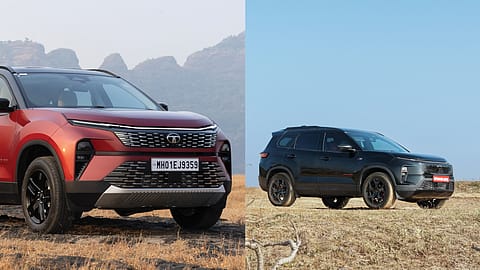
Tata Motors announces the prices of petrol-driven Safari and Harrier | Credits: Tata Motors
Tata Motors rolls out petrol variants of Harrier and Safari; prices start at ₹12.89 lakh
Tata Motors has introduced petrol variants of its Harrier and Safari SUVs, starting at ₹12.89 lakh. The new models feature a 1.5-litre turbocharged petrol engine, available in both manual and automatic transmissions. This launch marks the first petrol option for these models, aiming to capture a larger market share in the competitive SUV segment.
This summary is AI-generated, and Fortune India is not responsible for its content or any associated copyright issues.
Petrol powertrain widens Tata Motors’ SUV portfolio as competition intensifies in the mid-size segment
Tata Motors announces the prices of petrol-driven Safari and Harrier | Credits: Tata Motors
Tata Motors Passenger Vehicles on Wednesday launched the petrol-powered variants of its Harrier and Safari Sport Utility Vehicles (SUVs), expanding the powertrain options for both models beyond diesel. The new variants are powered by a 1.5-litre turbocharged petrol engine and are priced from ₹12.89 lakh for the Harrier and ₹13.29 lakh for the Safari (ex-showroom, New Delhi).
The petrol versions are available across multiple trims with both manual and automatic transmission options. For the Harrier, prices extend up to ₹24.68 lakh for the top-end automatic variant, while the Safari petrol range goes up to ₹25.19 lakh (ex-showroom).
This marks the first time Tata Motors has offered a petrol engine on the Harrier and Safari since their launch. The company said the new engine has been developed to comply with current emission norms and to address demand from customers preferring petrol SUVs, particularly in urban markets.
Models’ underpinnings and other technical features
Both models retain the same platform, body structure, and feature set as their diesel counterparts. Key features include a large touchscreen infotainment system, connected vehicle technologies, camera-based assistance systems, and multiple safety aids, according to the Mumbai-based carmaker.
Furthermore, Tata Motors said all petrol variants of the Harrier and Safari have received a five-star rating under Bharat NCAP, extending the safety certification across the full model range.
Tata Motors aiming for a bigger slice of SUV pie
With the petrol launch, Tata Motors now offers the Harrier and Safari with both diesel and petrol engines, as it looks to defend market share and attract incremental buyers in the mid-size and large SUV categories.
Commenting on the launch, Vivek Srivatsa, Chief Commercial Officer, Tata Passenger Electric Mobility Limited, said, “With over 2.5 lakh Harrier and Safaris in the market, these two SUVs have long embodied Tata Motors PVs’ legacy of design, performance and safety.”
Recommended Stories
The ₹12–25 lakh SUV segment has also seen increased competition, with several manufacturers refreshing portfolios and expanding fuel options to maintain volumes.
Frequently Asked Questions
Explore the world of business like never before with the Fortune India app. From breaking news to in-depth features, experience it all in one place. Download Now