Budget 2026: Can India’s new container manufacturing scheme challenge China’s dominance?
/ 2 min read
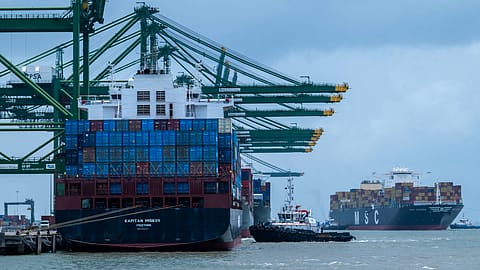
Is this the next big opportunity? | Credits: Padmini B
Budget 2026: Can India’s new container manufacturing scheme challenge China’s dominance?
Nirmala Sitharaman's budget unveils a Rs 10,000 crore plan to invigorate India's container manufacturing industry, traditionally dominated by China. The scheme seeks to leverage labor-intensive processes and Corten steel to bolster domestic production and reduce dependency on Chinese containers.
This summary is AI-generated, and Fortune India is not responsible for its content or any associated copyright issues.
India’s container manufacturing capacity is estimated at approximately 30,000 units per year while China makes about 6 million units
THIS STORY FEATURES
Is this the next big opportunity? | Credits: Padmini B
In her 9th consecutive budget, Nirmala Sitharaman announced a Rs 10,000 crore scheme for container manufacturing in the country.
It’s the first time that the government has ventured into the segment, which has traditionally been dominated by Chinese manufacturers.
“Container manufacturing is dominated by China (~95% share). A dedicated Rs 10,000 crore assistance will provide a good base to propel domestic investments and manufacturing in this space,” Crisil said in a statement. “This is a labour-intensive industry and needs something called Corten steel. This will help India create a footprint in global trade and bring down the dependence on China for the vital boxes.”
India’s container manufacturing capacity is estimated at approximately 30,000 units per year. China produces about 6 million units a year, underscoring the challenge that lies ahead for Indian manufacturers vying for a slice of the global container market. Today, the country’s key players in container manufacturing include Tata Steel, Jindal Steel & Power, and Balmer Lawrie. Among others, refrigerated containers, particularly for chilled and frozen goods, tank containers, and flat racks have seen significant traction in recent times.
“The end-use industry segmentation highlights the food and beverage sector, with packaged foods and fresh produce leading growth, followed by pharmaceuticals, especially vaccines and medicines,” research firm Ken Research said in a report published last year. "The automotive industry also presents opportunities, particularly for spare parts and engines. Ownership type is split between owned and leased containers, with leasing gaining popularity for cost efficiency.”
A global container shortage during Covid-19 had prompted the Indian government to consider providing an impetus to container manufacturing in the country.
“The allocation for container manufacturing reflects the government's strategic focus on strengthening India's railway-led logistics ecosystem by improving cargo mobility, lowering freight costs, and enhancing supply chain efficiency,” Divyam Mour, research analyst at SAMCO Securities, said. “Higher availability of modern containers will accelerate modal shift from road to rail, enabling faster turnaround times and more economical bulk transportation for industries such as manufacturing, agriculture, and exports.” Improved rail freight economics will aso help drive higher volumes, stronger revenue visibility for logistics providers, and incremental monetisation opportunities for the broader railway network, SAMCO expects.
The announcement comes at a time when the Bharat Container Shipping Line (BCSL) is expected to be operational soon. The BCSL was launched in October last year as India’s new national container carrier, backed by the Shipping Corporation of India and the Container Corporation of India.

Follow Fortune India
NEXT STORY