Govt seeks tariff edge over competing economies before implementing India-US trade deal
/ 2 min read
India's demand for preferential tariff treatment reflects concerns that exporters could lose competitiveness if rival manufacturing hubs such as Vietnam and Bangladesh secure similar or better access to the US market
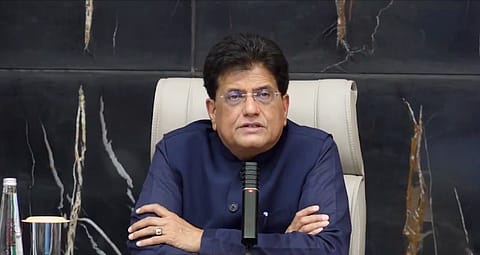
Commerce and Industry Minister Piyush Goyal
India is pushing for a tariff advantage over competing economies before implementing its proposed trade agreement with the United States, Commerce and Industry Minister Piyush Goyal said on Monday, signalling that key differences remain despite both sides having agreed on an initial framework for the pact.
"The issue currently pending is that our duties need to be lower compared to those of competing nations," Goyal said at a press briefing. "Once this is settled, the trade agreement will be implemented."
The minister said the framework for the trade pact had been finalised before the US Supreme Court struck down former President Donald Trump's broad tariff policy earlier this year, adding a new layer of uncertainty to ongoing negotiations.
India's demand for preferential tariff treatment reflects concerns that exporters could lose competitiveness if rival manufacturing hubs such as Vietnam and Bangladesh secure similar or better access to the US market. "We are trying to work out with the US how they will ensure that we will get a comparative advantage, so that our exporters can benefit," Goyal said.
The comments come ahead of a two-day visit by US Trade Representative Jamieson Greer to India beginning Tuesday, as both countries attempt to conclude a trade agreement that has been under negotiation for several months.
Goyal expressed optimism that an agreement could be finalised before July 24, when Washington's temporary 10% tariff on trading partners is scheduled to expire. "I would be happy" if the deal is concluded before that deadline, he said, adding: "The faster, the better."
The latest round of talks follows the first in-person meeting in more than a year between Prime Minister Narendra Modi and US President Donald Trump on the sidelines of the G7 summit in France on June 17. Both leaders projected confidence about the trajectory of bilateral ties, with Trump stating that the two countries were "very close" to finalising a trade agreement.
Trade negotiations, however, have been complicated by disagreements over tariffs, market access and protections for politically sensitive sectors. India is also seeking assurances that Washington will not impose fresh tariffs after the agreement is signed, while officials remain concerned about the possibility of additional trade measures if negotiations falter.
Further uncertainty stems from ongoing Section 301 investigations by the Office of the US Trade Representative into alleged overcapacity and forced labour practices. Analysts say Washington is using these probes to press India to open its markets further and increase purchases of American agricultural products, energy and defence equipment.
Greer's office said the discussions are aimed at "achieving fair, balanced, and reciprocal trade". Negotiators on both sides are expected to use this week's talks to bridge remaining differences and move closer to a final agreement.
NEXT STORY