India may post BoP surplus in CY26 despite oil shock, says Goldman Sachs
/ 2 min read
Brokerage cuts current account deficit forecast to 1.3% of GDP and sees $60 billion capital inflow boost from RBI measures
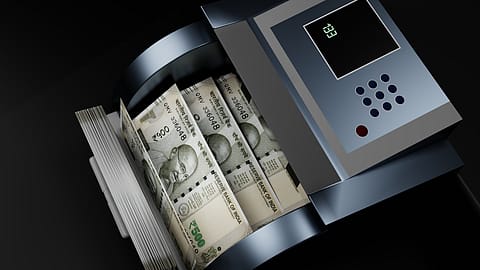
The revised outlook comes after India reported a $7.2 billion BoP surplus in the first quarter of CY26. | Credits: Getty
India is likely to record a balance of payments (BoP) surplus in calendar year 2026 despite higher crude oil prices and geopolitical uncertainties, according to Goldman Sachs. It has revised India's external sector outlook on the back of stronger remittances, resilient services exports and policy measures aimed at attracting foreign capital.
The global investment bank expects India to post a BoP surplus of around 0.6% of GDP in both CY26 and FY27, marking a turnaround after two consecutive years of deficits.
The revised outlook comes after India reported a $7.2 billion BoP surplus in the first quarter of CY26. According to Goldman Sachs, the current account recorded a surplus of about $7 billion during the quarter, supported by record remittance inflows, a robust services trade surplus and a lower-than-expected oil import bill.
“The INR’s recent weakness appears larger than what balance of payments fundamentals would suggest,” the report said, attributing pressure on the currency to precautionary dollar demand amid heightened Middle East tensions rather than a deterioration in India’s external position.
Goldman Sachs has lowered its current account deficit forecast for CY26 to 1.3% of GDP from 2% earlier. For FY27, it now expects the deficit at 1.7% of GDP, compared with its previous estimate of 2.1%.
The brokerage said India’s oil import burden may rise less sharply than in previous energy shock episodes because the economy has become less oil-intensive over time. Improved energy efficiency, increasing electrification of transport and changing consumption patterns have reduced the economy’s sensitivity to oil prices.
It noted that oil import volumes have become more responsive to higher crude prices, with imports tending to decline when Brent crude trades above $75-80 per barrel. Based on its estimates, every 10% increase in fuel prices could reduce petrol and diesel consumption growth by around 3% over the following year.
Goldman Sachs has revised down its CY26 oil import forecast to $220 billion from $244 billion earlier. It also cut its gold import forecast to $56 billion from $64 billion, citing the impact of recent import duty hikes that are expected to curb demand with a lag of one to two months.
On the capital account side, the brokerage expects measures announced by the Reserve Bank of India and the government to generate around $60 billion of additional inflows in CY26. These include incentives for foreign currency non-resident deposits, concessional swap facilities for external commercial borrowings and tax benefits for foreign investors in government securities.
The report estimates inflows of $30-50 billion through the FCNR(B) deposit scheme, $5-15 billion through external commercial borrowings and about $10 billion in additional debt investments into government bonds.
While the improved external balance should ease depreciation pressures on the rupee, Goldman Sachs does not expect significant appreciation. It said any fresh dollar inflows are likely to be absorbed by the RBI through reserve accumulation and the unwinding of its large short forward position.
Follow Fortune India
NEXT STORY