India-US trade deal opens zero-duty US market for Indian farm goods, protects local farmers: Shivraj Singh Chouhan
/ 3 min read
Chouhan said India believes in balanced and positive dialogue, not bargaining, which is why the country is becoming a trusted global partner
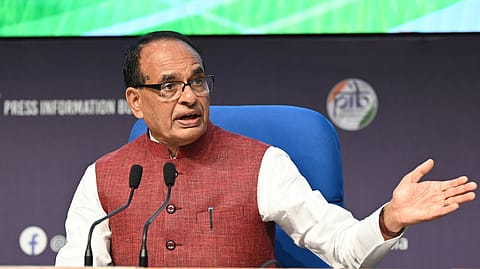
Shivraj Singh Chouhan, Union Minister for Agriculture & Farmers’ Welfare and Rural Development. | Credits: Getty Images
Several Indian farm products will get zero-tariff access to the US market under the India-US trade deal, while American agricultural products will not get similar benefits in India, Union Agriculture Minister Shivraj Singh Chouhan said on Sunday.
Calling the agreement “historic and unprecedented”, Chouhan said it has been finalised with strong safeguards to protect Indian farmers while creating new export opportunities. He said the deal reflects India’s growing position in the world. “This deal will not only strengthen the Indian economy but also provide it with a fresh direction,” he said.
The minister was speaking at a press conference at his residence in Bhopal. He said the agreement sends a clear signal globally. “This deal sends a message to the world that India’s policy is one of commitment, not compromise. We take decisions in the interest of the country with full confidence,” he said.
Farmers protected, exports set to rise
Chouhan said India believes in balanced and positive dialogue, not bargaining, which is why the country is becoming a trusted global partner. He described the deal as an example of “diplomacy, development and dignity”. “Diplomacy means nation first, development means Viksit Bharat, and dignity means the dignity of the farmer. I am proud that full attention has been paid to farmers’ dignity in this agreement,” he said.
Explaining the agriculture-related provisions, the minister said several Indian products will now enter the US market at zero duty, while Indian markets will remain protected. “India’s interests in agriculture and dairy are fully protected,” he said, adding that US tariffs of up to 50 percent on many Indian products have been cut to zero.
The products getting zero-duty access include spices, tea, coffee, coconut, cashew, betel nut, fruits such as mango, banana and pineapple, mushrooms, and some grains. Chouhan said India’s agricultural exports stood at ₹4.45 billion in 2024–25, with spice exports rising 88 percent. “India already exports spices to nearly 200 destinations. This agreement will further accelerate exports and help increase farmers’ incomes,” he said.
He stressed that all sensitive farm items have been kept out of the deal. No tariff concessions have been given on soybean, corn, rice, wheat, sugar, coarse grains, poultry, dairy, oilseeds, pulses, ethanol and tobacco. “Our main grains, fruits, major crops and dairy products are completely secure,” Chouhan said.
No entry for US farm and dairy products
He also said a wide range of American farm and dairy products, including wheat, rice, corn, vegetables, fruits, milk, butter, ghee, paneer and cheese, will not be allowed into the Indian market. “The meaning is clear: our spices and our farmers are completely secure,” he said.
The minister added that the deal will open new opportunities for farmers, women and youth, especially through sectors such as textiles, gems and jewellery, auto components, engineering goods and MSMEs. “Textile exports will benefit cotton farmers, and self-help group sisters will gain global recognition for their work,” he said.
Taking a dig at the Opposition, Chouhan accused the Congress of spreading misinformation. “They are engaging in blind opposition. They have become a machine of lies. They are a market of rumours,” he said.
Wrapping up the briefing, Chouhan said India has signed nine free trade agreements under Prime Minister Narendra Modi’s leadership. “These agreements are milestones in building an Atmanirbhar and Viksit Bharat,” he said, adding that such deals will help achieve the goal of Viksit Bharat by 2047.
{{#most-powerful-women-snapshot-individual.slug}} {{/most-powerful-women-snapshot-individual.slug}} {{^most-powerful-women-snapshot-individual.slug}} {{/most-powerful-women-snapshot-individual.slug}} {{#showRanking}} {{current-rank}} {{/showRanking}} {{#photo.0.url}}
{{name}}
Earlier, Union Commerce and Industry Minister Piyush Goyal welcomed the framework of the India-US trade agreement, saying it will benefit farmers, MSMEs, artisans and exporters. “Agricultural products from Indian farmers will be exported to the United States at zero duty. At the same time, no tariff concessions have been granted for agricultural products from US farmers entering the Indian market,” Goyal said.
India and the US have agreed on a framework for an interim trade deal aimed at increasing bilateral trade from $191 billion to $500 billion by 2030.
Follow Fortune India
NEXT STORY