The FAQs are AI-generated, and Fortune India is not responsible for its content or any associated copyright issues.
Piyush Goyal urges WTO to fix legacy imbalances, stresses consensus-driven approach
/ 2 min read
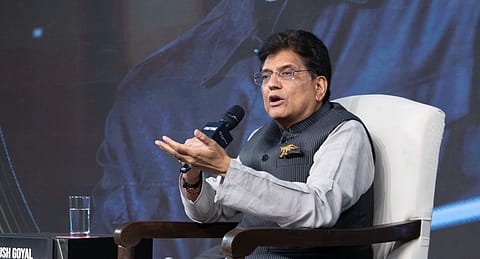
Commerce and Industry Minister Piyush Goyal. | Credits: Sanjay Rawat
Piyush Goyal urges WTO to fix legacy imbalances, stresses consensus-driven approach
India’s commerce minister Piyush Goyal told the WTO’s 14th Ministerial Conference in Cameroon that consensus-based decision-making is vital to the body’s legitimacy, urging reforms that fix legacy imbalances from the Uruguay Round. India pressed for food security, safeguards for developing nations, a restored dispute settlement system, and warned that plurilateral deals risk fragmenting the multilateral trading order.
This summary is AI-generated, and Fortune India is not responsible for its content or any associated copyright issues.
India stresses the need to rebuild trust among WTO member nations and calls for a careful assessment of the current deadlock in negotiations
Commerce and Industry Minister Piyush Goyal. | Credits: Sanjay Rawat
Commerce and industry minister Piyush Goyal on Saturday said consensus-based decision-making remains central to the credibility of the World Trade Organization (WTO), as India called for inclusive and transparent reforms at the ongoing ministerial conference in Cameroon.
Speaking at the 14th Ministerial Conference (MC14) in Yaounde, Goyal said, “consensus-based decision-making is the bedrock of the WTO’s legitimacy,” adding that the organisation must respect “the sovereign right of each member to not bind itself to rules which they do not agree to.”
Push for trust and inclusive negotiations
India stressed the need to rebuild trust among member nations and called for a careful assessment of the current deadlock in negotiations. It underlined that discussions must remain “transparent, inclusive and Member-driven” to ensure meaningful outcomes.
On structural concerns, Goyal highlighted that WTO reform efforts must address long-standing imbalances originating from the Uruguay Round. He said issues such as food security and safeguards for developing nations should be prioritised before taking up new agendas.
India also pointed to the continued dysfunction of the WTO’s dispute settlement system, warning that without effective adjudication, “rules lose their enforceability,” disproportionately affecting smaller economies.
Concerns over fragmentation and reform roadmap
Emphasising equitable growth, Goyal said all member countries must have “a fair opportunity to build productive capacity, create employment, and participate meaningfully in global trade.”
During the ministerial plenary on transparency, Commerce Secretary Rajesh Agrawal backed a structured and time-bound approach to WTO reforms. He said India supports “a time-bound restart of reform efforts with milestones,” based on stronger evidence and wider engagement among members.
Recommended Stories
India also cautioned against the rise of plurilateral agreements, warning that such arrangements could fragment the multilateral trading system. It called for avoiding “cherry-picking issues” and emphasised strengthening WTO committees through a bottom-up approach.
On the sidelines of the conference, Goyal held bilateral meetings with counterparts from major economies including the US, China, and Canada, focusing on both MC14 negotiations and expanding trade ties.
The WTO ministerial meeting comes at a time when global trade faces rising fragmentation and policy uncertainties, making consensus-driven reforms critical for restoring confidence in the multilateral system.