The FAQs are AI-generated, and Fortune India is not responsible for its content or any associated copyright issues.
RBI MPC key takeaways: Central bank keeps repo rate at 5.25%, cuts growth forecast amid rising inflation risks
/ 2 min read
The decision was unanimous, with all six members of the MPC voting to maintain the status quo.
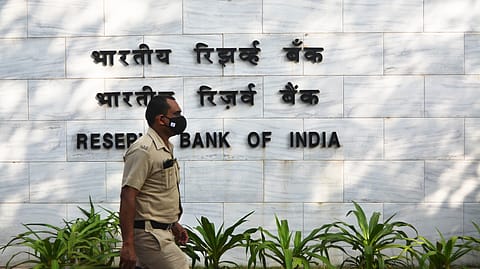
While expressing confidence in India's ability to withstand external shocks with "minimum pain", the RBI lowered its FY27 real GDP growth forecast to 6.6% from 6.9% earlier. | Credits: Fortune India
The Reserve Bank of India (RBI) on Friday left the benchmark repo rate unchanged at 5.25% and retained its neutral policy stance, citing heightened uncertainty around inflation and growth amid rising energy prices, global supply disruptions and weather-related risks.
The decision was unanimous, with all six members of the Monetary Policy Committee (MPC) voting to maintain the status quo.
Announcing the policy decision, Governor Sanjay Malhotra said the global economic environment has become more challenging due to the ongoing conflict in West Asia, elevated crude oil prices and increased financial market volatility. While expressing confidence in India's ability to withstand external shocks with "minimum pain", the central bank lowered its FY27 real GDP growth forecast to 6.6% from 6.9% earlier.
The RBI said it would await greater clarity on the evolving inflation-growth dynamics before considering any further policy action.
Inflation outlook turns less favourable
The central bank projected consumer price inflation (CPI) at 5.1% for FY27, reflecting concerns over rising input costs, including commercial LPG, base metals, plastics and rubber.
Although inflation remains below the RBI's upper tolerance threshold, Malhotra cautioned that headline inflation is likely to move towards the upper end of the target band in the second half of the fiscal year. Food prices remain a key source of uncertainty, with forecasts of a sub-normal monsoon and the possibility of El Niño conditions posing risks to agricultural output and food inflation.
The RBI noted that inflation risks have intensified amid higher energy prices, global supply constraints and weather-related uncertainties, warranting a cautious policy approach.
Growth outlook revised lower
The RBI cut its FY27 GDP growth forecast to 6.6%, citing the impact of elevated energy prices, supply-chain disruptions and rising production costs on economic activity.
According to the central bank, high-frequency indicators suggest early signs of moderation in some sectors, even as domestic demand remains broadly resilient. The RBI said sustained geopolitical tensions and commodity price volatility could further weigh on growth prospects going forward.
External risks rise, but India remains resilient
Governor Sanjay Malhotra said India entered the current phase of global uncertainty with relatively strong macroeconomic fundamentals, placing the economy in a better position to absorb external shocks with limited disruption. The RBI also noted that major central banks have adopted a more cautious approach as they navigate competing inflation and growth challenges, contributing to a more uncertain global economic environment.
Follow Fortune India
Frequently Asked Questions
NEXT STORY